
Guide
When the Power Goes Out, Your Opener Doesn't Know What to Do
Corona homes built 1938-2007 often run openers with no battery backup. Here's what a power cut does to your door and when a repair call actually makes sense.
Local detail
The Problem
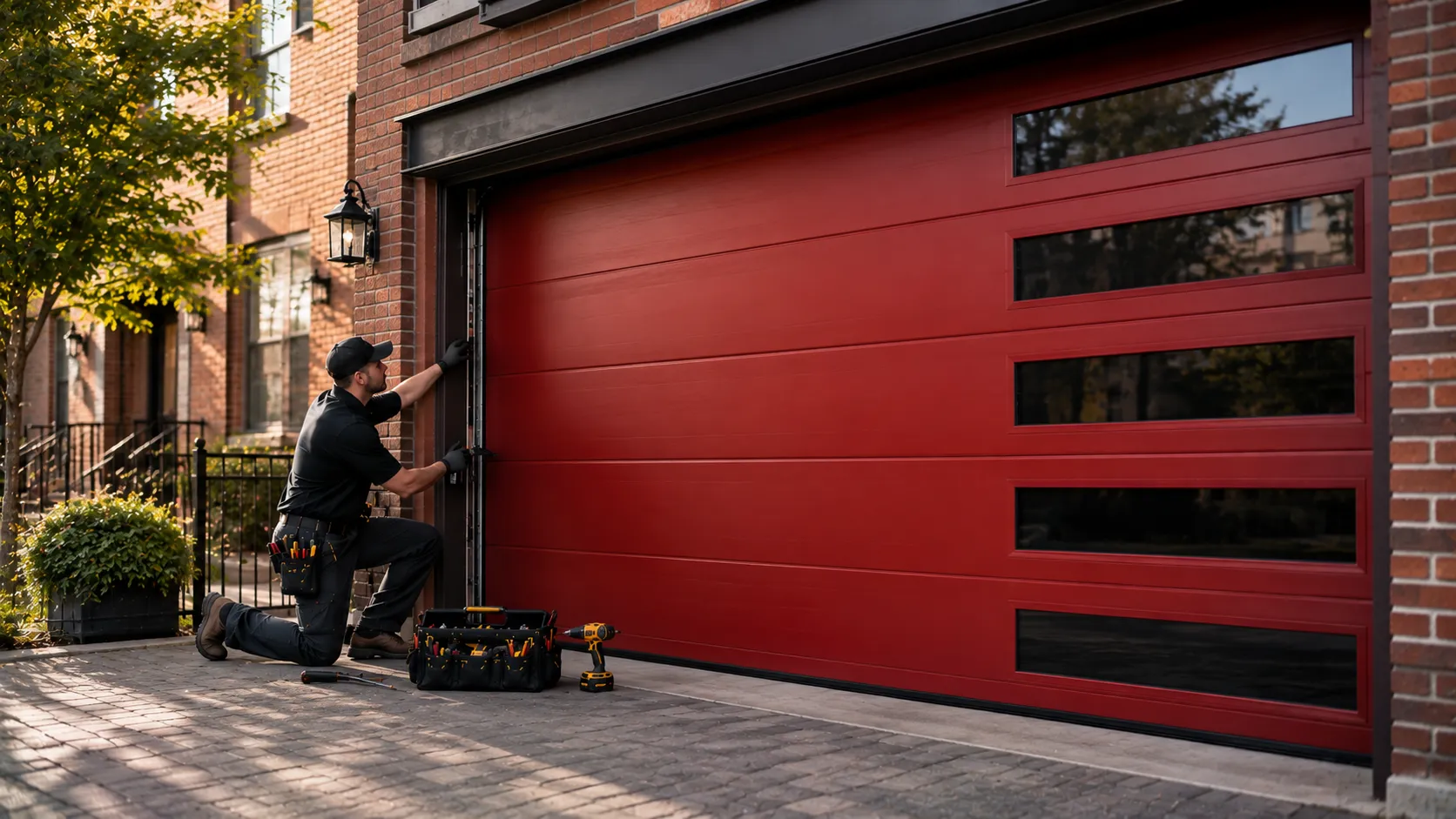
Most garage door openers in Corona were installed the same decade the house went up, and with housing here running from 1938 through 2007 and a median build year of 1981, a lot of that hardware predates battery backup as a standard feature. When the power drops, a pre-2000s opener just stops. No chime, no warning, the trolley sits wherever it was in the cycle. If that happens mid-close, the door hangs half down until someone finds the manual release cord and pulls the carriage free by hand.
That release mechanism is the part people forget about until they need it. On a door that's been closing and opening the same way since the Reagan administration, the release cord bracket can be brittle, the pull handle cracked, or the whole thing painted over from a garage remodel. During a power cut is the worst time to discover the manual release doesn't move freely, because you're usually trying to get a car out.
Newer installs - anything put in during the later stretch of that 1938-2007 build window, especially post-2000 - are more likely to have battery backup built into the opener unit itself, which rides through a short outage without anyone noticing. Older units don't have that option unless someone's added it.

The area
What You Pay
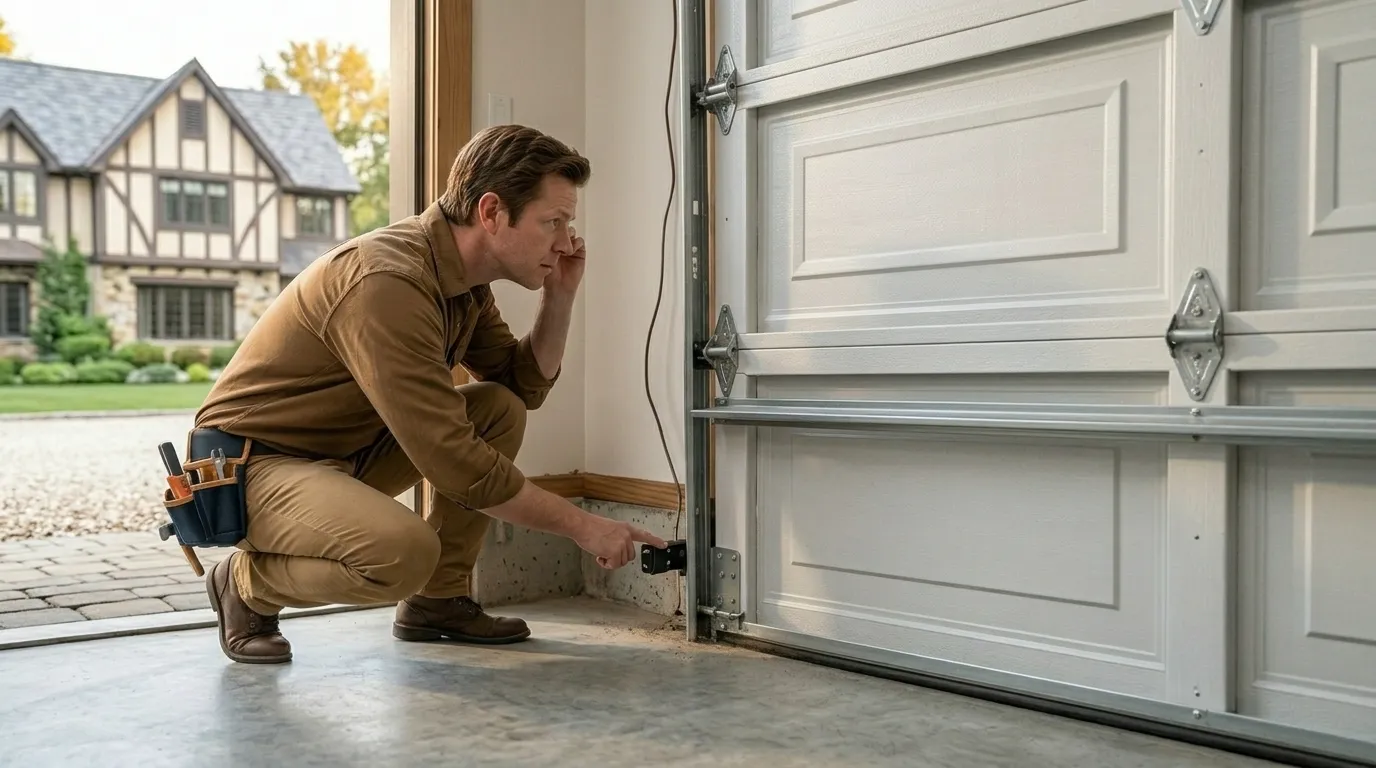
We don't publish flat prices here because opener work splits into two very different jobs: swapping a dead unit for one with battery backup, and diagnosing why a working opener suddenly stopped responding after an outage (often a burnt circuit board or a reset logic board, not the motor itself). Those are different labor times and different parts costs, and quoting one number for both would be a guess dressed up as a fact.
What we can tell you is what drives the cost either way: whether the existing rail and trolley are reusable, whether the wall control and safety sensors need replacing along with the head unit, and whether the circuit that feeds the opener needs any electrical work beyond the unit itself. Corona's median household income sits at $108,588 across the service area, and most jobs we quote land in a range homeowners here budget for without much drama - but we'll give you the actual number after we've looked at your unit, not before.
One honest limit: if your opener is original to a house built in the earlier part of that 1938-2007 range, parts for the exact chain-drive model may not exist anymore. At that point we're not repairing, we're replacing, and we'll say so instead of chasing a part that isn't coming.
What we find
What Local Conditions Do
Corona sits in a moderate heat climate band, which is easier on garage door hardware than a true desert extreme, but it still matters for openers specifically. Heat cycling - hot garage during the day, cooler at night - dries out the lubricant on chain and belt drives faster than a mild coastal climate would, and a dry chain under load is one of the more common reasons an opener strains during a power cycle restart rather than a full outage.
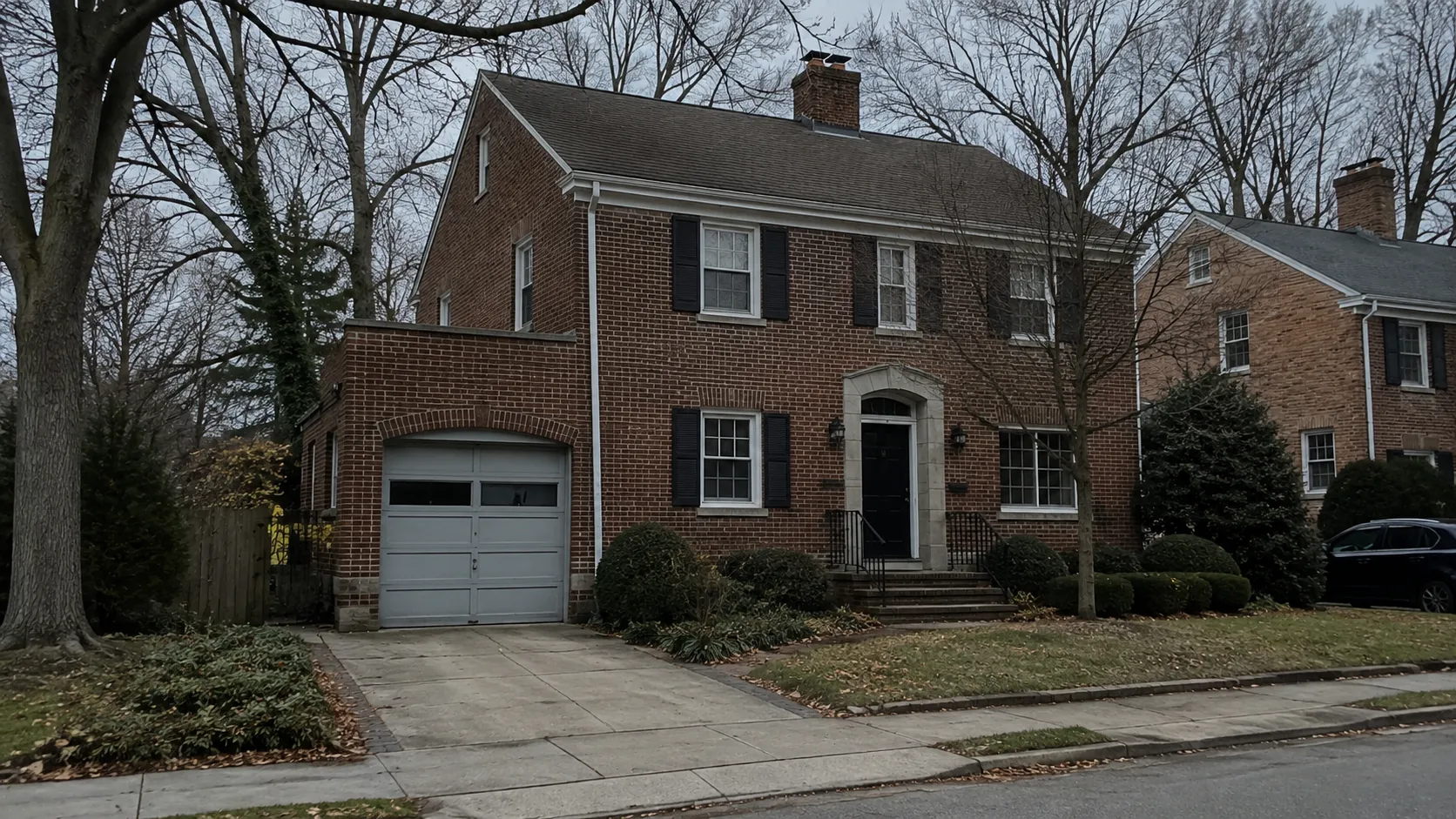
Across the roughly 30 named areas that make up this stretch of housing, most stock dates to the 1980s and 90s, per local building patterns. That generation of construction used openers rated for lighter loads than what people now hang on them - insulated retrofit panels, added storage racks on the rail, sometimes a second keypad wired in later. None of that is a problem on its own, but it means the opener motor on an original-era unit is often working harder than it was built for, and a power cut is exactly when that extra strain shows up as a failure to restart cleanly.
How we work
When to Get Help
Test your manual release now, not during the next outage. Pull the cord with the door closed and see if the trolley disengages smoothly. If it's stiff, stuck, or the handle itself is cracked, that's a five-minute fix today and a stranded car tomorrow.
If your opener is original to a house built well before the newer end of the 1938-2007 range and it doesn't restart cleanly after every outage - not just the big ones - that's the motor or the logic board telling you it's near the end, not a wiring fluke. Call before it fails during an actual outage rather than after.
We cover Corona and the surrounding area, from close-in spots like El Cerrito and Norco a few miles out to farther points like Chino Hills and Diamond Bar. If you're unsure whether a stall after a power cut is the opener or the door itself binding on the track, that's worth a call rather than a guess - the two failures look identical from the driver's seat but cost very different amounts to fix.
Questions
Common questions
Why did my garage door opener stop working after the power came back on?
Often it's not the outage itself but the restart. Older openers, common in houses built well before the 2000s here, can lose their programmed position or trip a safety sensor misalignment when power cuts and returns. Try resetting the wall control per the unit's manual; if it still won't cycle, the logic board likely took the hit and needs a look.
Should I add battery backup to my existing opener?
If your opener predates battery backup as a standard feature, which is common on original installs from earlier in the local 1938-2007 build range, you can usually add a compatible backup unit rather than replacing the whole opener. Worth doing if you've been stranded by an outage before.
Is the manual release cord supposed to be stiff?
No. A stiff or stuck release usually means the mechanism hasn't been exercised in years, which is common on original-era openers. Pull it now, in daylight, rather than the first time you need it during an outage - if it doesn't move freely, that's a quick fix, not a full opener swap.
Ready when you are
Need a garage door sorted in Corona?
Corona Garage Door Pros repairs and installs garage doors, springs and openers in Corona, CA and the surrounding area.