
Corona, CA
Garage Door Installation for Corona Homes
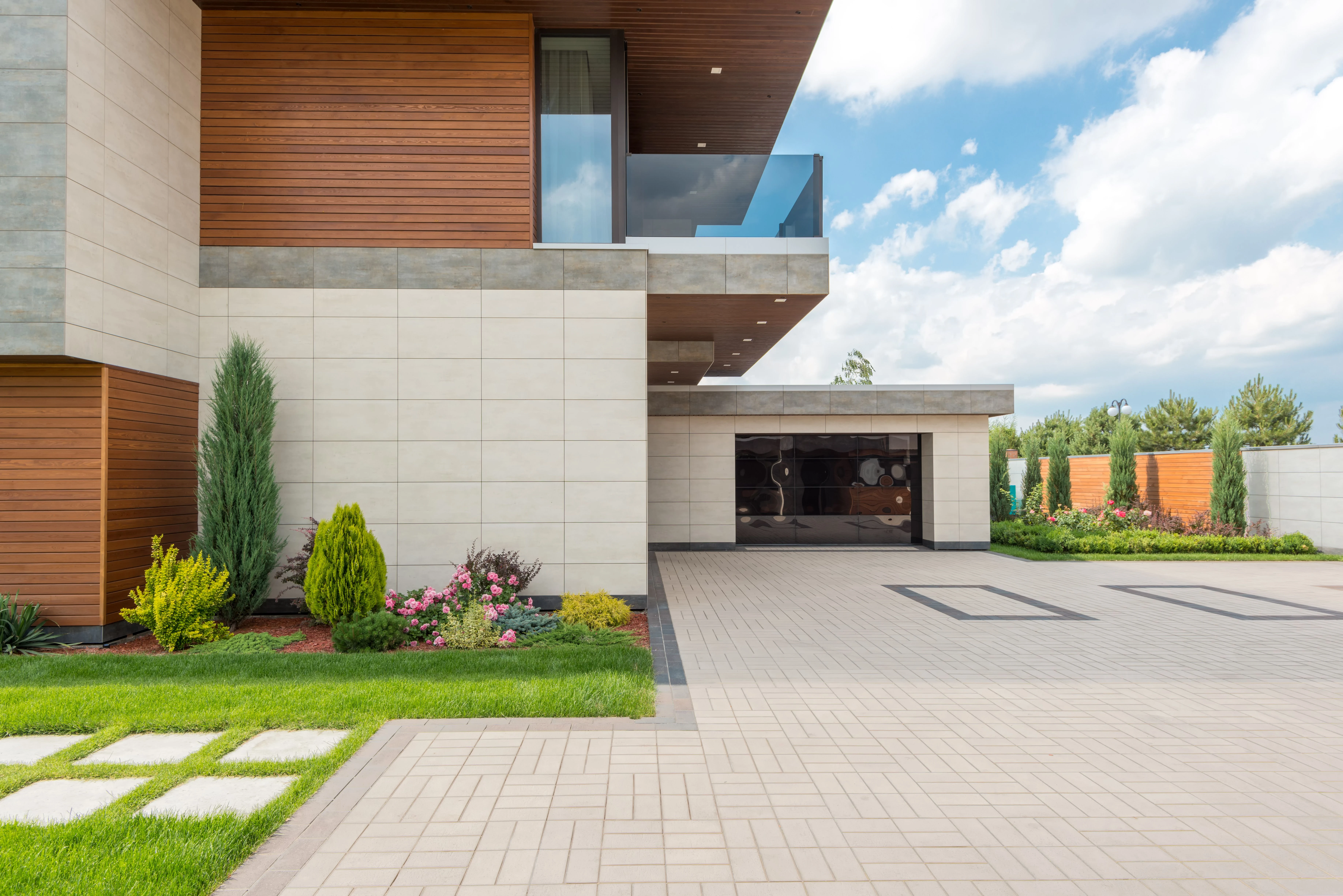
New garage door installs in Corona, sized for the 1980s-90s tract stock that makes up most of this area and built for our heat, not a coastal climate.
Local detail
Can You Do This Yourself
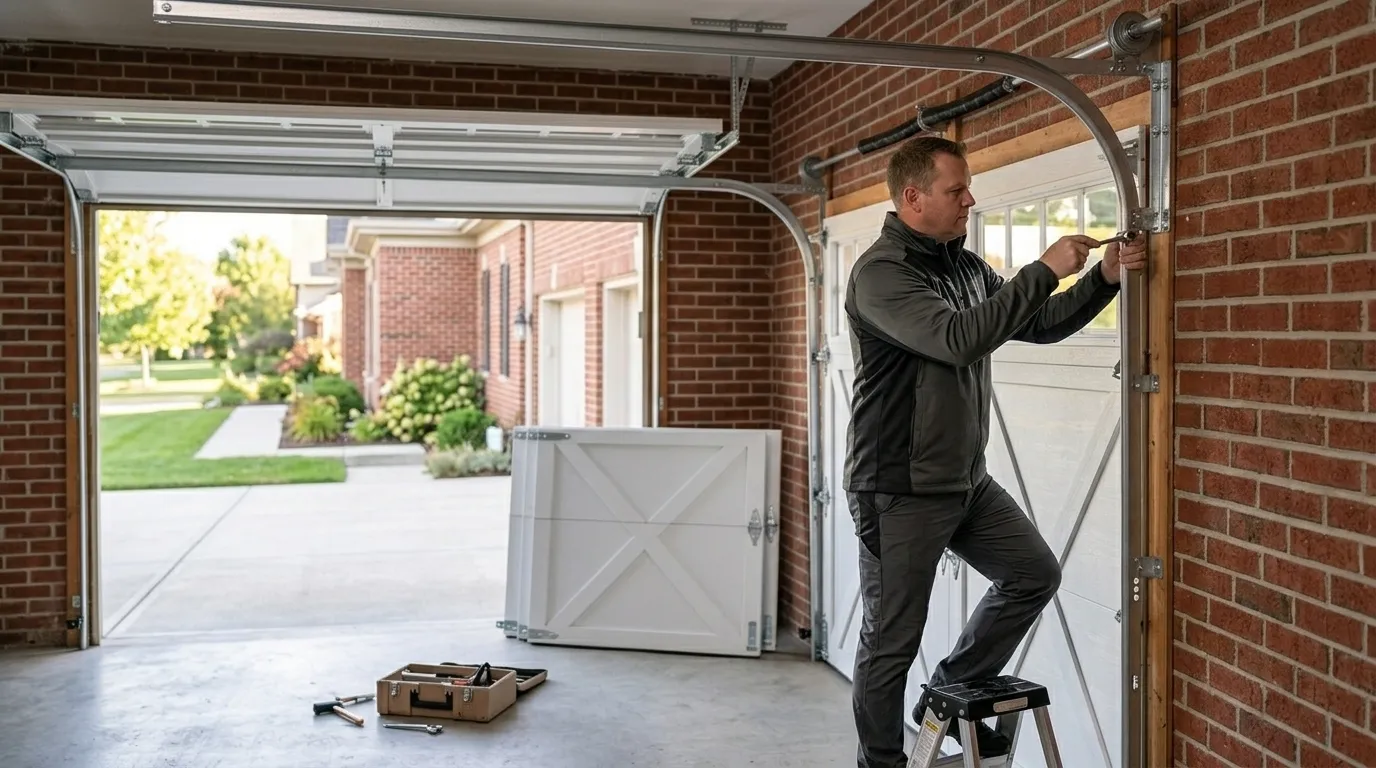
A new garage door is not a weekend kit job, and we'll say that plainly even though we'd rather sell you the install. The door panels are heavy, the torsion spring is under enough tension to break a bone if it slips off the winding cone, and getting the track plumb on the first try matters more than people think. If your opener is more than a few years old, matching it to a new door's weight and balance point is its own small project. Where a homeowner can save money is on the easy stuff: pulling the old door off the track yourself, clearing the opening, hauling away the old panels after we've swapped them.
That prep work is real labor we'd otherwise bill for. What we don't recommend touching yourself is the spring system or anything involving the opener's force settings - those are the two places where a rushed install turns into a repair call within the year. If you're set on doing the whole thing solo, at minimum get a second pair of hands for the panel lift; a double-car door section is not a one-person carry.
The area
What You Are Seeing
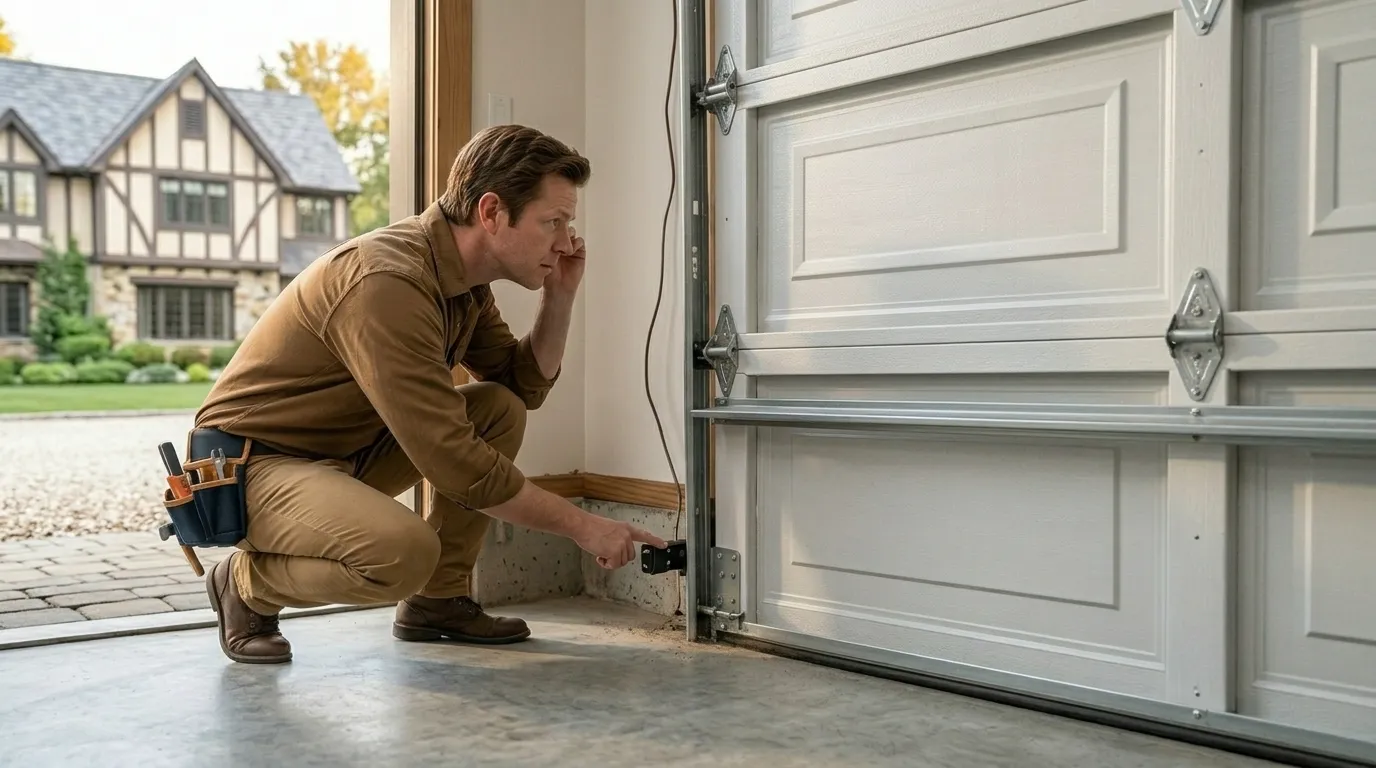
Most of the calls we get for installation rather than repair come from two kinds of houses: the original-door houses and the mismatched-door houses. Corona's housing stock runs from 1938 up through 2007, with the median build year sitting around 1981, and a lot of that 1980s-90s stock still has its first door on it - a single-layer steel panel, no insulation, hardware that was standard for the era but isn't stocked anymore. Those doors haven't failed outright; they're just tired, dented, and running warm in a way the rest of the house isn't. The other group is houses where a door was swapped at some point but the opener wasn't upgraded to match, or the track was reused with a heavier insulated door bolted onto it.
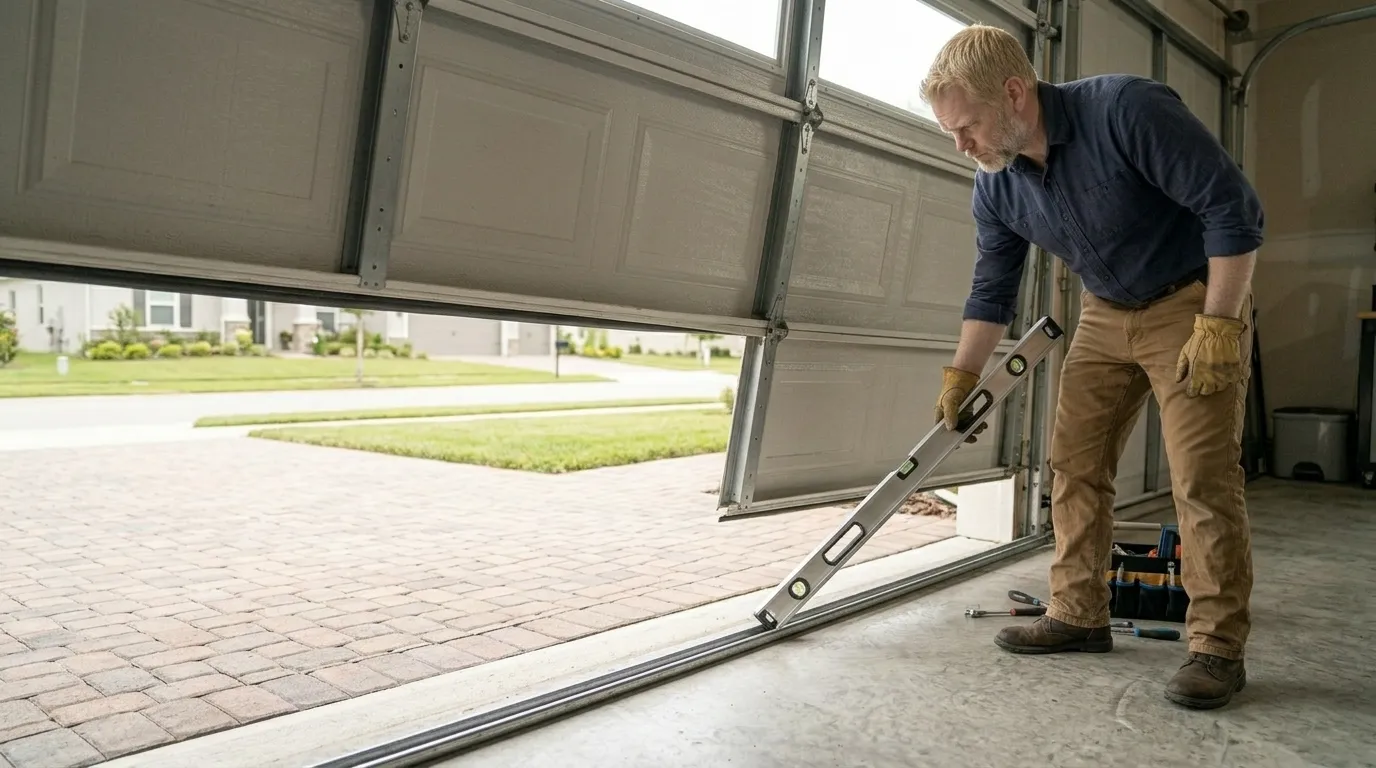
You'll notice it as a door that closes unevenly, sags at the bottom corners, or an opener that strains and reverses partway through the cycle. Neither of these is an emergency. Both are worth fixing before the imbalance starts chewing through rollers and cables that were never sized for what's currently hanging on them.
What we find
What Causes It Around Here
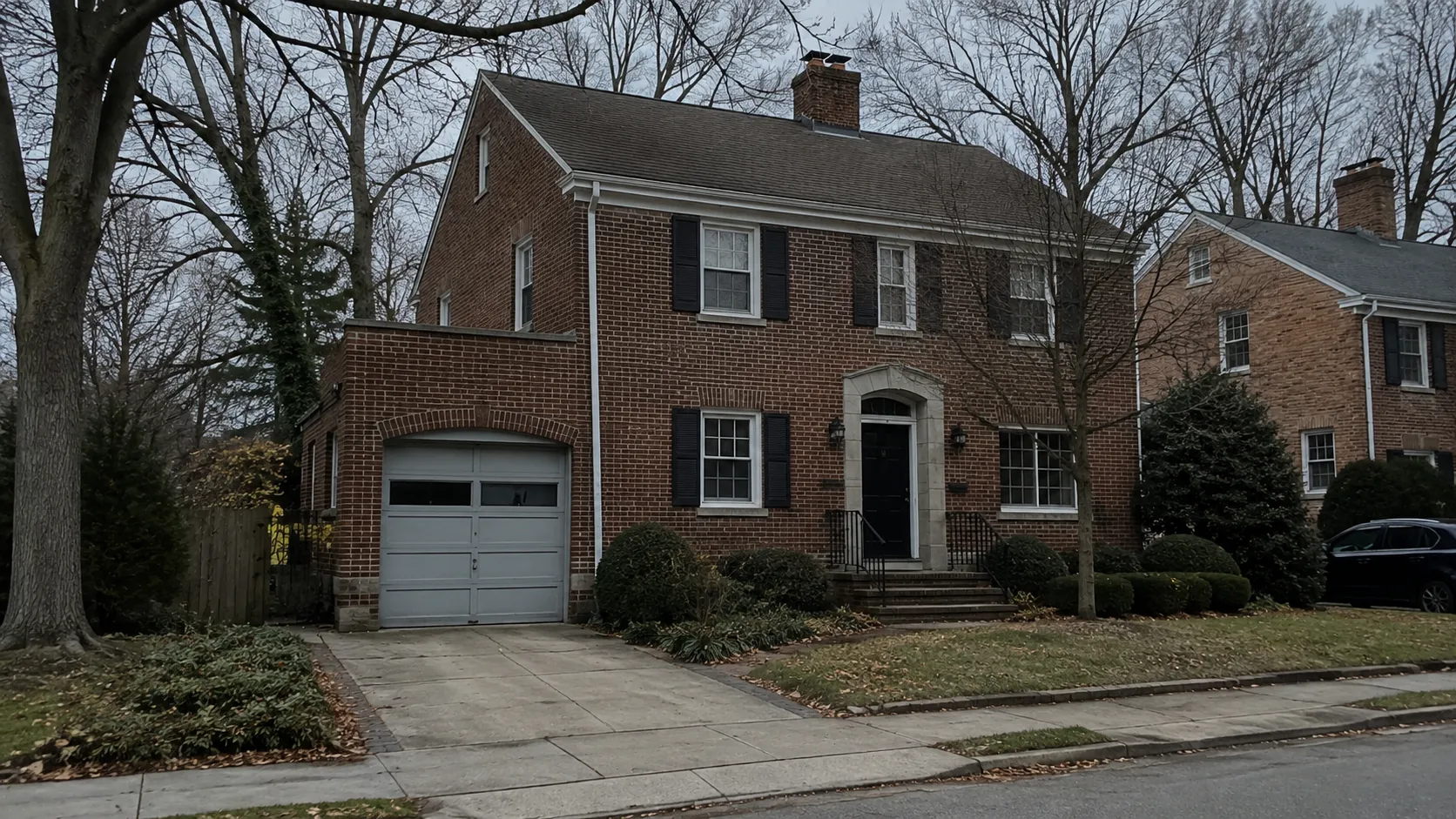
Corona sits in a moderate-heat climate band, which is easier on garage doors than a lot of California towns but still means steel panels and vinyl seals spend real time expanding and contracting through the day. On original 1980s-90s doors, that cycling over three or four decades is what warps thin panels and dries out the bottom seal - not one bad summer, just accumulated years. Because so much of the area's housing landed in that same build window (median 1981), we see the same failure pattern block after block: same gauge steel, same non-insulated core, same age of hardware.
It's less about any one house having bad luck and more about a whole tract aging out at once. Homes built more recently, toward the 2007 end of the range, tend to have better-sealed doors to start, so when we get an install call from one of those it's usually storm damage or a remodel, not wear. Either way, heat cycling here is steady rather than extreme, so we're usually replacing a door because it's worn out or mismatched, not because it cracked under a sudden swing.
How we work
How We Fix It
For a straight installation, we pull the old door and track, check the opening framing, and set new track plumbed to the actual opening rather than to where the old track happened to sit - on older Corona houses that's often shifted a little over the decades. We size the new door and spring system to match the panel weight, which matters more on insulated doors than the single-layer steel most of these houses started with. If the existing opener is in good shape and rated for the new door's weight, we'll reuse it; if it's not, we'll say so rather than force a mismatch that fails in a year.
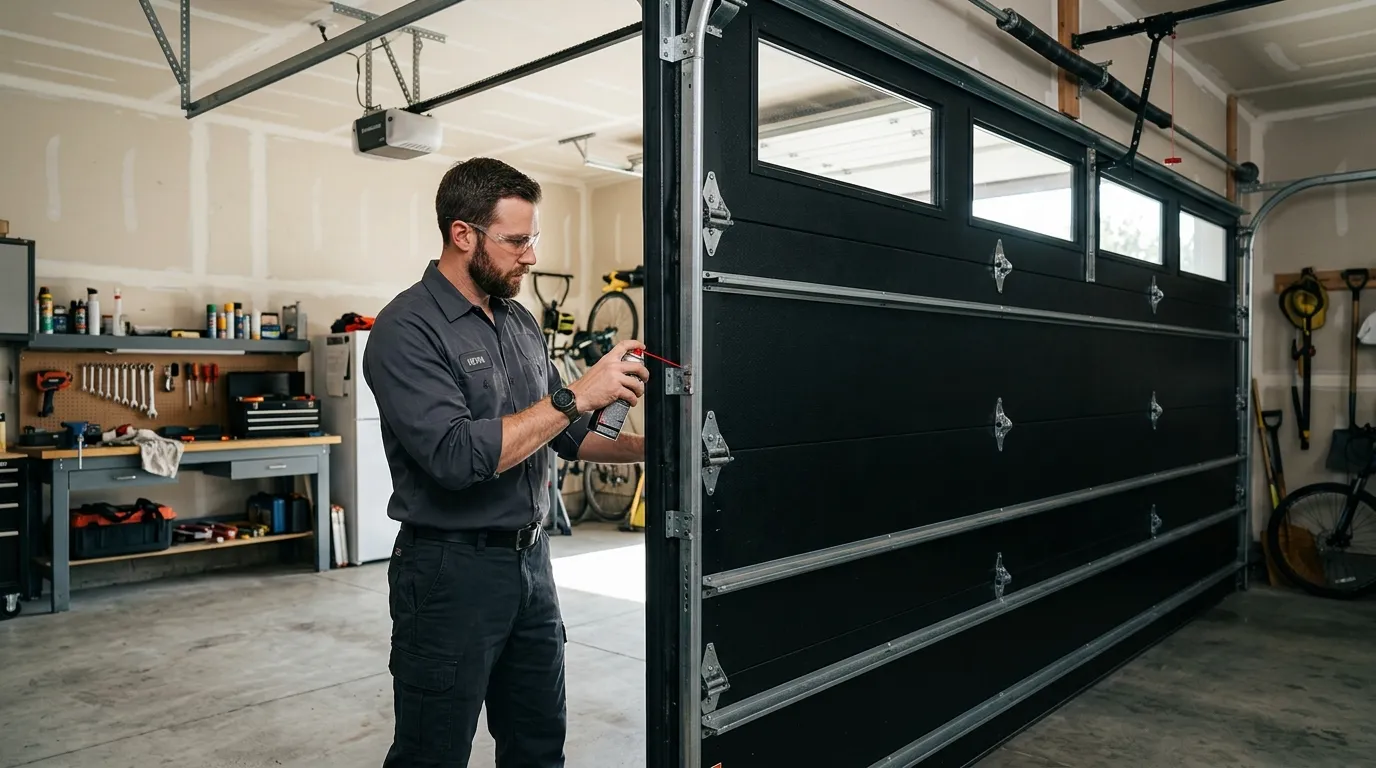
One limitation worth knowing upfront: certain specialty panel styles and custom widths carry longer lead times from the supplier, so if you want something outside standard sizing, expect the order to take longer than the install itself. Once it's in, we balance it, set the travel limits, and test the auto-reverse safety function before we call it done.
Questions
Common questions
How old does my garage door have to be before replacing beats repairing it?
If your house dates to the 1980s or 90s - common across this area - and the door is original, repair parts for that hardware are often discontinued. At that point we'd rather quote a replacement than chase parts that don't exist anymore. Newer doors with a single broken part are usually worth repairing instead.
Will a new door work with my existing opener?
Sometimes. It depends on the weight of the new door versus what your current opener is rated for. We check that before quoting the install so you're not paying for a door that strains an opener built for a lighter panel.
Does Corona's climate affect what door I should get?
Corona sits in a moderate-heat band, so we're not designing around extreme cold or coastal salt air. The bigger factor is just years of daily heat cycling on older panels, which is why insulated doors tend to hold their shape longer than the original steel doors common on 1980s and 90s builds here.
How long does a full installation take?
We don't quote a fixed time here without seeing the opening and door style, since custom widths and certain panel styles carry longer supplier lead times. Standard sizes move faster.
Ready when you are
Need a garage door sorted in Corona?
Corona Garage Door Pros repairs and installs garage doors, springs and openers in Corona, CA and the surrounding area.