
Corona, CA
Garage Door Repair for Corona, CA Homes
Corona homes built 1938-2007 wear out torsion springs fast in the heat. Corona Garage Door Pros repairs springs, tracks, and openers across the service area.
What we do
Garage door work in Corona
Garage Door Repair for Corona Homes
Broken spring or off-track door in Corona, CA? Learn more →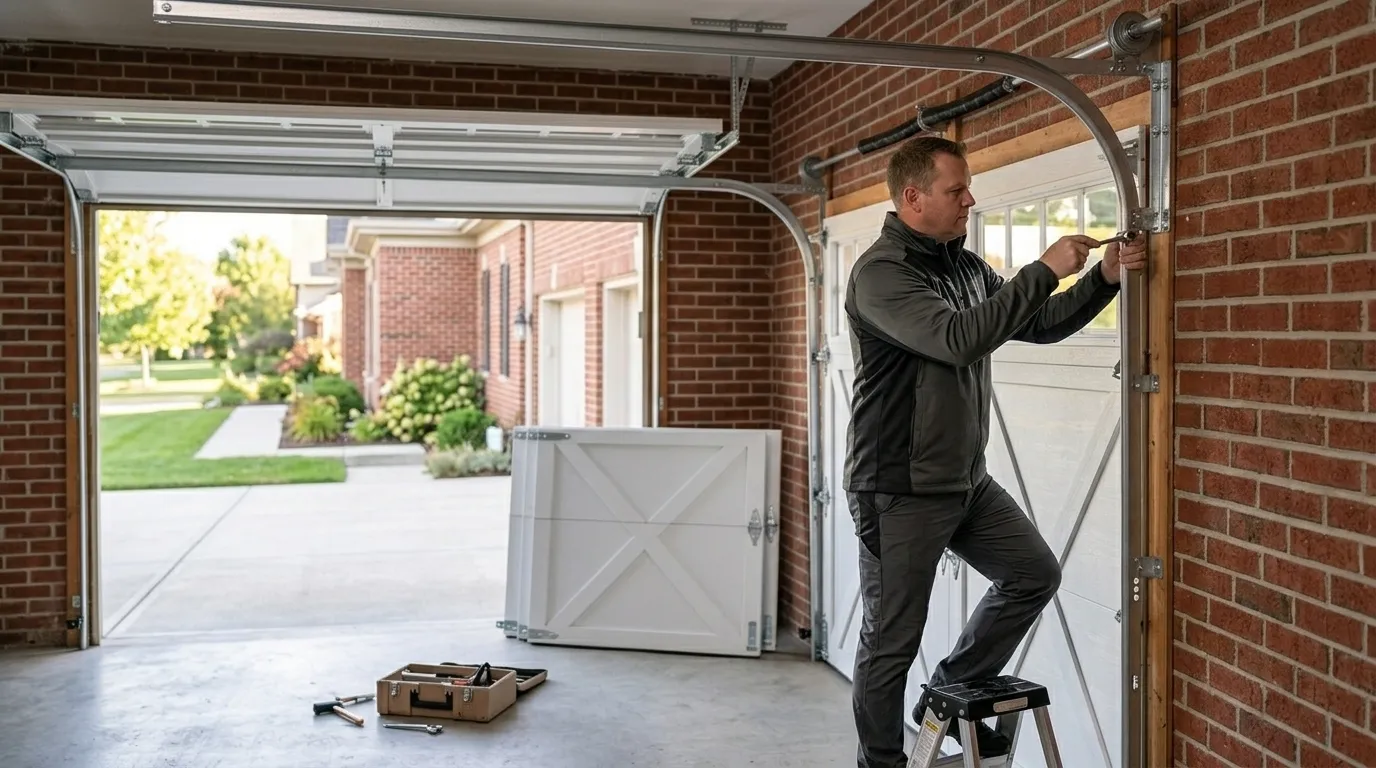
Garage Door Installation for Corona Homes
New garage door installs in Corona, sized for the 1980s-90s tract stock that makes up most of this area and built for our heat, not a coastal climate. Learn more →Local detail
Can You Do This Yourself
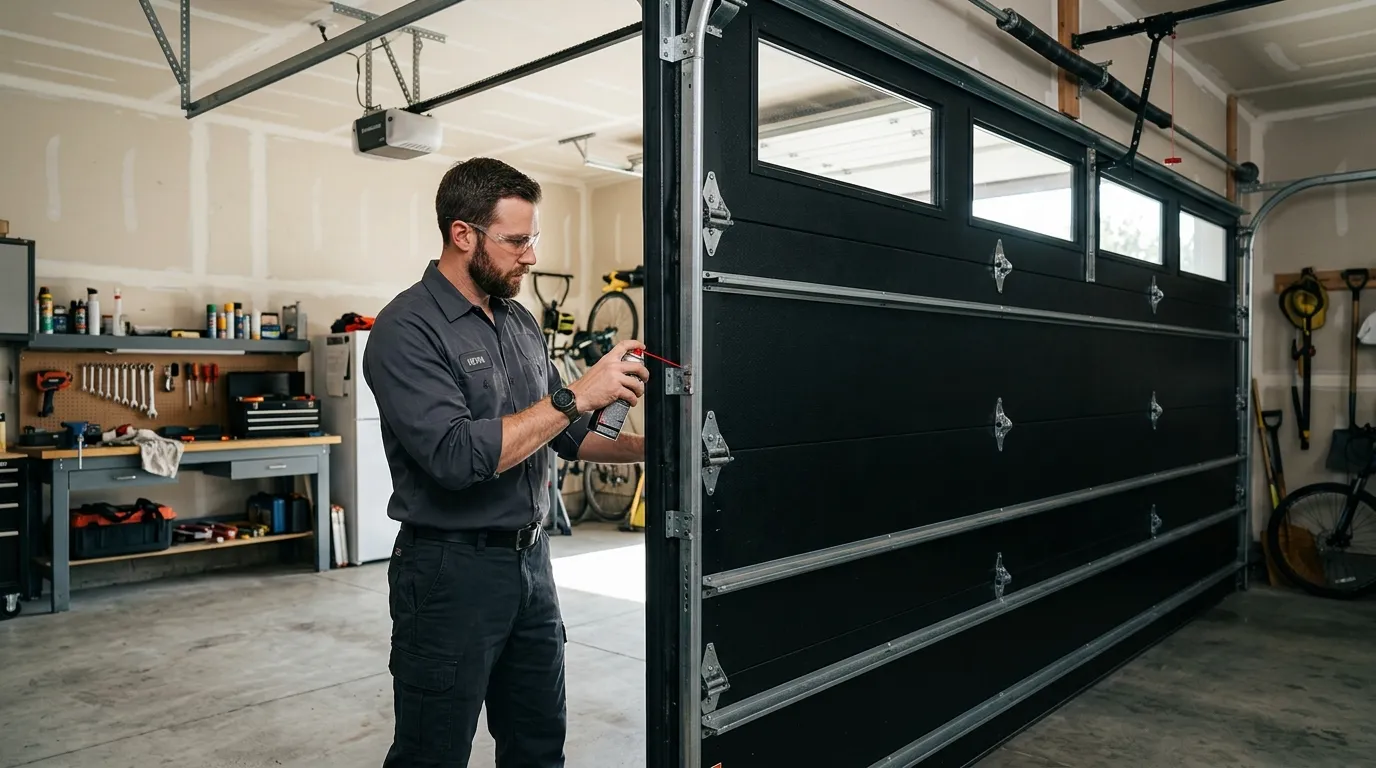
Some of it, yes. If your opener won't respond, check the wall switch, the remote batteries, and the safety sensors near the floor - a knocked-out sensor is the most common reason a door refuses to close, and you can usually clear that yourself in five minutes. Lubricating rollers and hinges with a light spray, tightening loose hardware, and clearing the photo-eye lenses are all fair game for a homeowner with a stepladder.
What you should not touch is the torsion spring. It's wound under enough tension to break a wrist or worse, and on Corona's older stock - homes going back to 1938, with the typical build year sitting around 1981 - those springs are often original or a mismatched replacement from years ago. There's no shortcut tool that makes this safe to do alone.
Here's the honest limit: if the door is off its track, if a cable has jumped the drum, or if the spring has already let go and the door is sitting heavy on the opener, stop. The opener isn't built to hold that weight, and forcing it usually turns a spring job into a spring-plus-opener job. That's the point where a call makes more sense than a second trip to the hardware store.
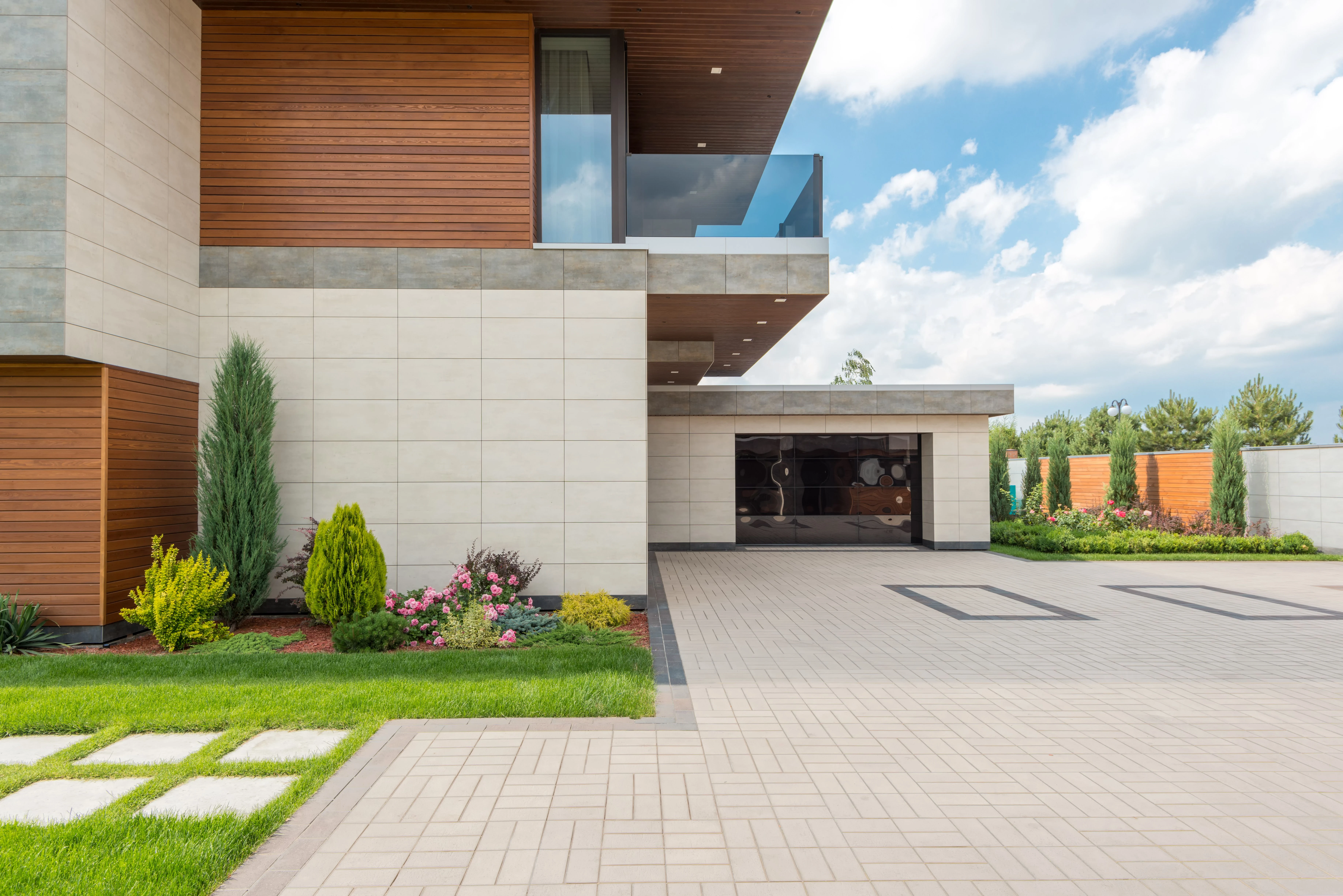
The area
What You Are Seeing
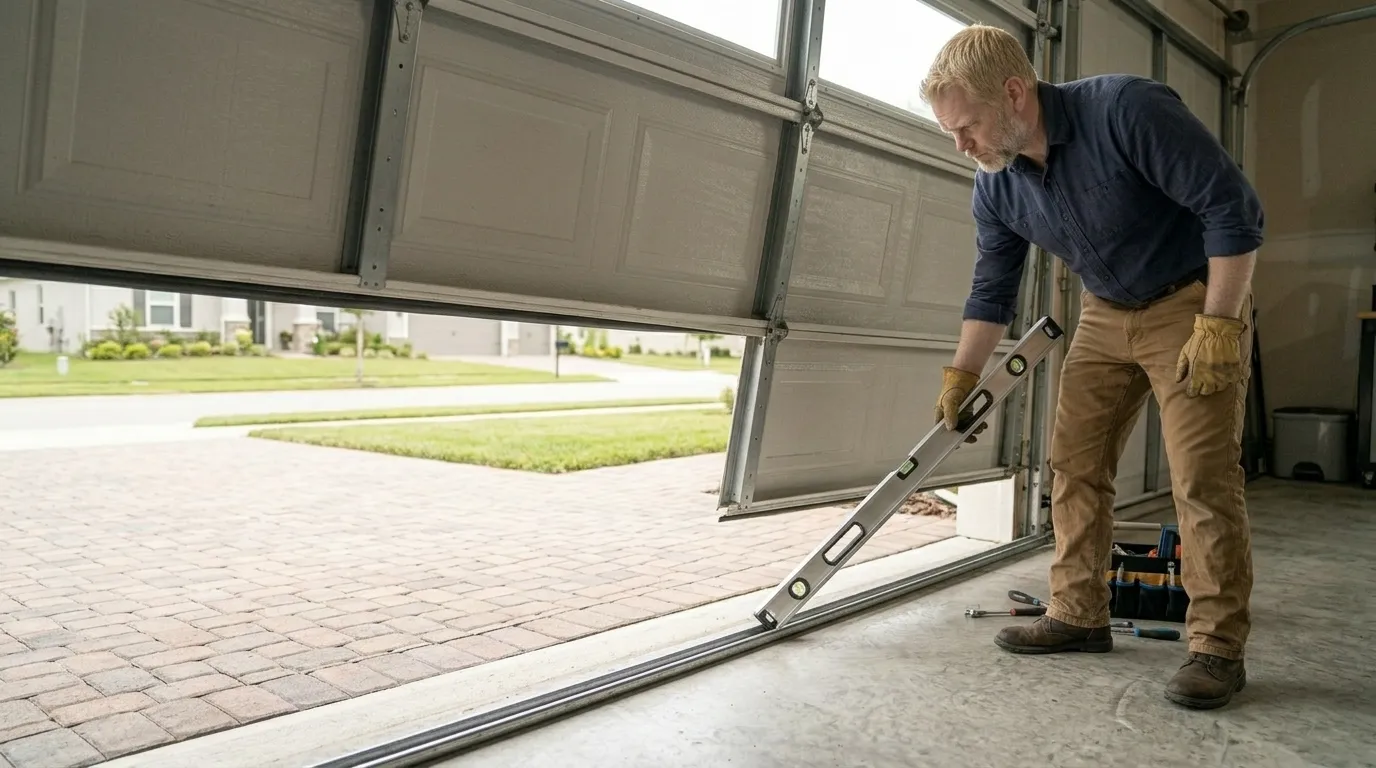
The complaints we hear most in Corona sound similar: the door groans halfway up and stalls, one side droops lower than the other when it closes, or the opener runs but the door doesn't move at all. Sometimes it's a loud bang from the garage followed by a door that won't budge - that's a spring letting go, and it's more common on the older end of the housing stock, where doors dating close to that 1938 start point are still running first- or second-generation torsion hardware.
On homes from the 1980s and 90s - which make up most of what we see across Corona's roughly 30 mapped neighborhoods - the failure looks different. The spring is usually fine, but the plastic idler pulleys and cheap steel rollers from that era have worn oval, so the door rattles and binds in the track instead of snapping outright.
A third pattern: openers from the 1990s and early 2000s that still work but strip their internal gear kit after enough cycles, so the motor hums but the chain or belt doesn't move. None of these are exotic. They're what you'd expect from a housing stock with a median build year in 1981 - the hardware is simply reaching the end of its working life at roughly the same time across a lot of streets.
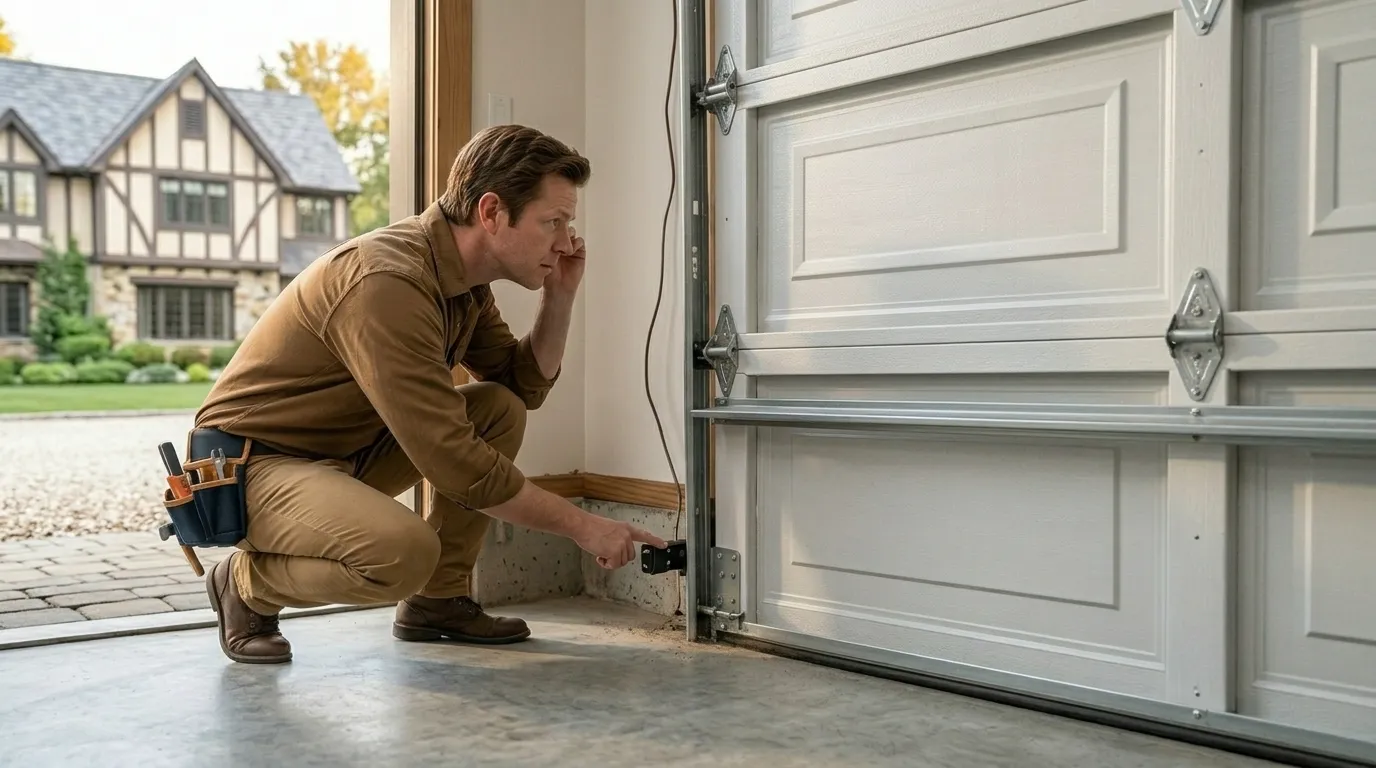
What we find
What Causes It Around Here
Corona sits in a moderate-heat climate band, and that matters more for garage doors than people expect. It's not extreme heat damage - it's the daily swing. Steel track and aluminum door sections expand and contract every day, year after year, and that slow cycle dries out spring lubricant and works screws loose at the track brackets faster than it would in a milder, flatter climate.
Age compounds it. With housing built between 1938 and 2007 and a median year of 1981, a large share of Corona doors are old enough that the original hardware has simply outlasted its design life. The 1980s and 90s stock that dominates the area often shipped with lighter-duty rollers and springs than what goes into a door today, so those houses tend to show wear a few years before you'd expect based on age alone.
We don't see a single dominant cause - it's the combination of decades-old hardware and a climate that never lets metal parts sit still. That's also why a spring that snaps on one street doesn't mean the whole block is due; it depends on which era of hardware that particular house got built with.
How we work
How We Fix It
For a broken torsion spring, we match the wire size and wind to the door's actual weight rather than guessing off the old spring's label, since decades of sag and prior repairs mean the original spec isn't always still correct. Both springs get replaced together on a double door, even if only one broke - an old spring left in place next to a new one just fails again within the year.
For worn rollers, track, and pulleys common on the 1980s and 90s stock, we swap the whole roller set rather than patching one or two, since the rest are usually a season or two from the same failure. Opener gear kit failures get a new gear and sprocket assembly, or a full opener swap if the motor itself is going.
We cover the ground close to Corona - places like El Cerrito, Norco, and El Sobrante within a handful of miles - and the housing age and hardware issues run pretty consistently across that stretch. One limitation worth saying plainly: if a door and opener are both original from the 1970s or 80s and both failing at once, replacement is usually the honest call over stacking repairs on parts that old.
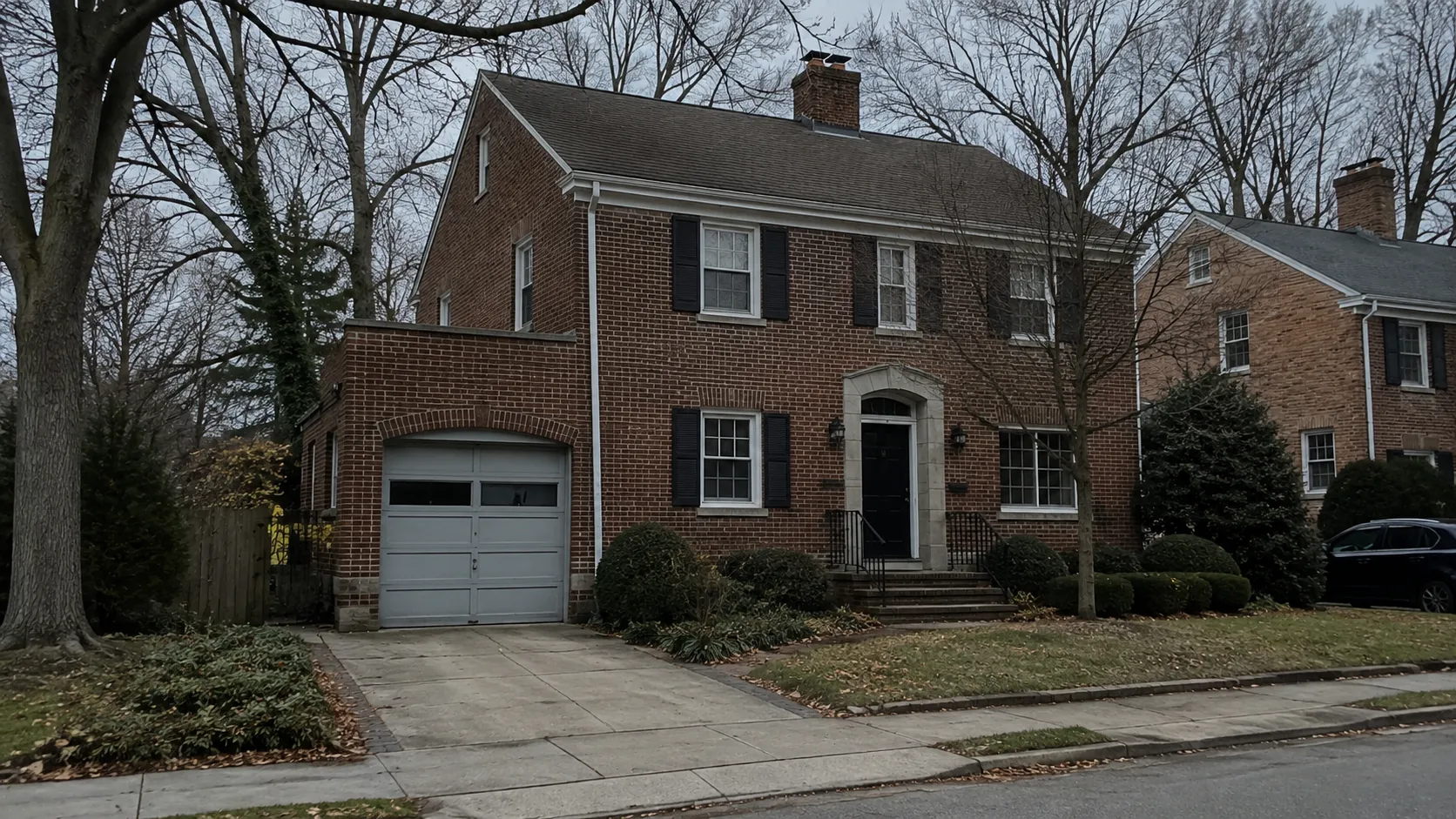
Questions
Common questions
Why did my garage door spring snap without warning in Corona?
Torsion springs fail from fatigue, not from one bad day. A spring is rated for a set number of open-close cycles, and once it's used them up, it can go on a normal, unremarkable morning. Corona's daily heat swing accelerates that fatigue a bit compared to a milder climate, and on homes from the older end of the 1938-2007 build range, that spring may already be original.
My door works but the opener grinds - is that the same repair as a spring?
No. A grinding opener with no spring bang usually points to a stripped internal gear kit, common on openers from the 1990s and early 2000s that have logged years of cycles. That's a motor-unit repair, separate from spring work, though on older doors we sometimes find both issues at once.
Do you work outside Corona proper?
We cover the surrounding area, including El Cerrito, Norco, and El Sobrante a few miles out, and stretch further to spots like Eastvale and Chino Hills. Housing age and the moderate-heat wear pattern are fairly consistent across that whole stretch, so the same failure modes show up.
Is it worth repairing an old opener or should I replace it?
Depends on what's failing. A stripped gear kit on an otherwise sound motor is worth fixing. If the circuit board is going along with the gears, or the unit is old enough that parts are hard to source, replacement usually costs less over time than repeated repairs on the same aging unit.
Ready when you are
Need a garage door sorted in Corona?
Corona Garage Door Pros repairs and installs garage doors, springs and openers in Corona, CA and the surrounding area.