
Broken Garage Door Springs
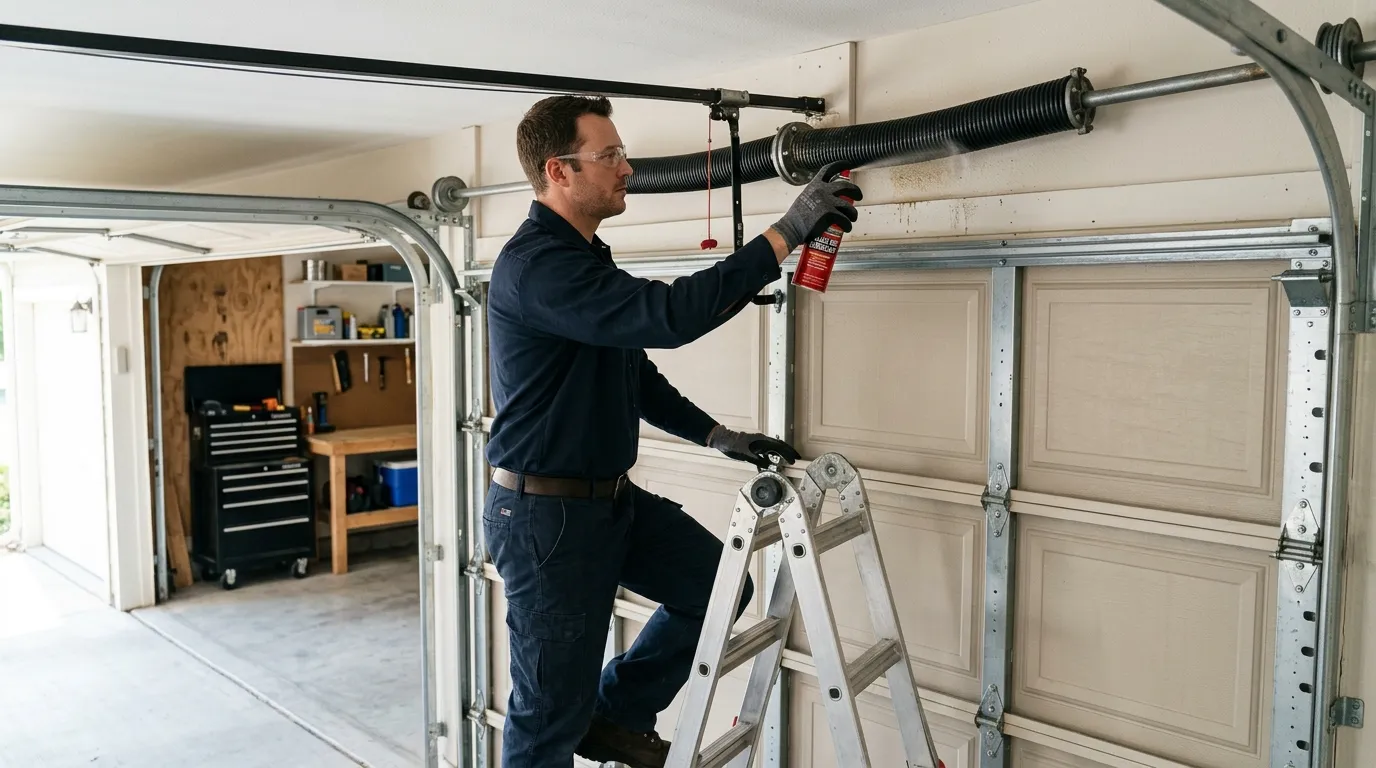
Garage door springs eventually reach the end of their useful cycle life after years of repeated opening and closing.
Local garage door service · Corona, CA
Garage door repair and installation for Corona homes spanning 1938 through 2007, covering commercial garage doors, emergency service, off-track repair, roller replacement, spring repair, and the systems common across the area's 1980s- and 90s-heavy housing stock.
Garage door services
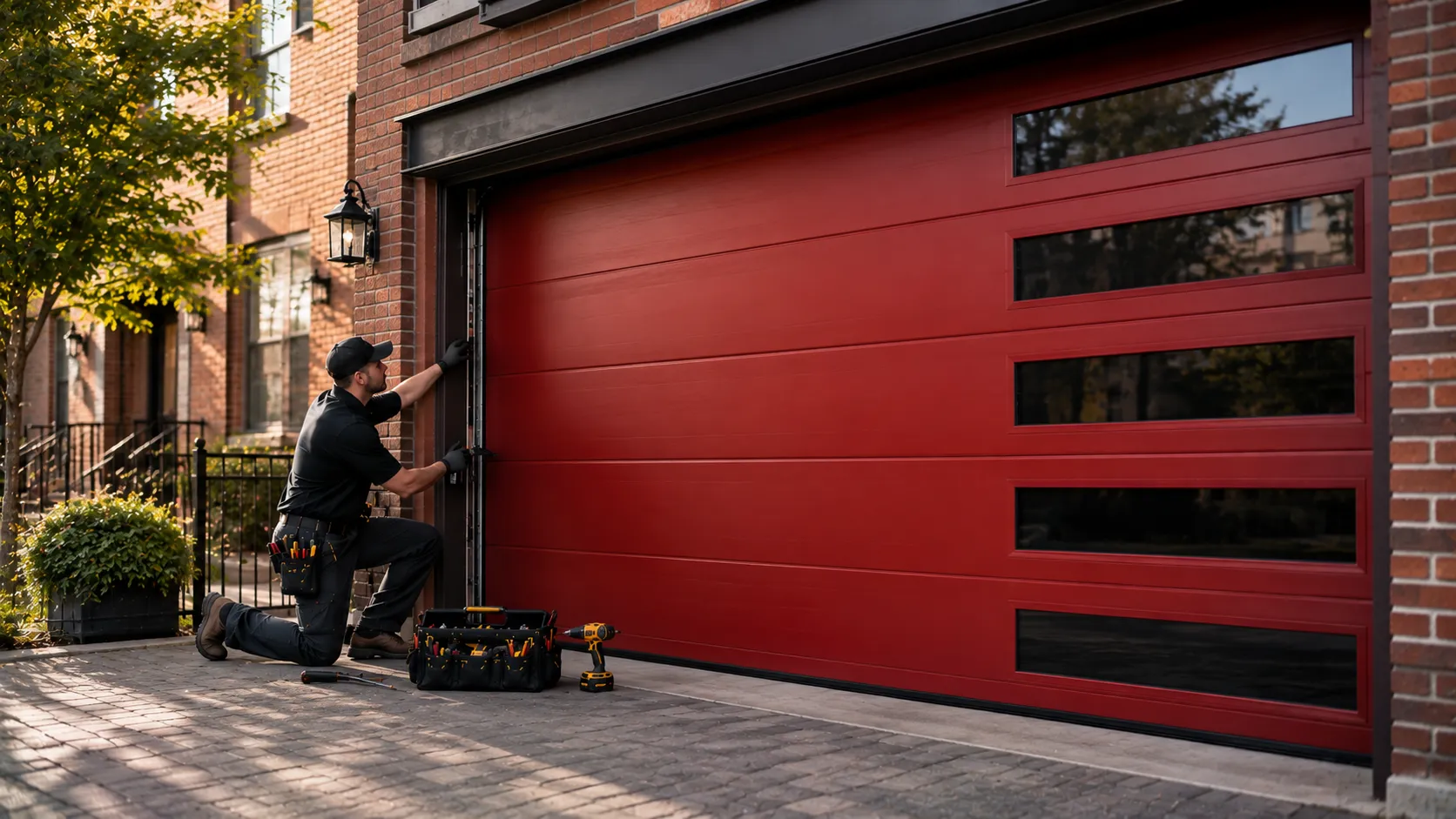
From commercial garage doors and emergency repair to installation, off-track service, roller replacement, spring repair, and general garage door work, the lineup is built around the mixed-generation systems found across Corona.
Common Corona garage door problems
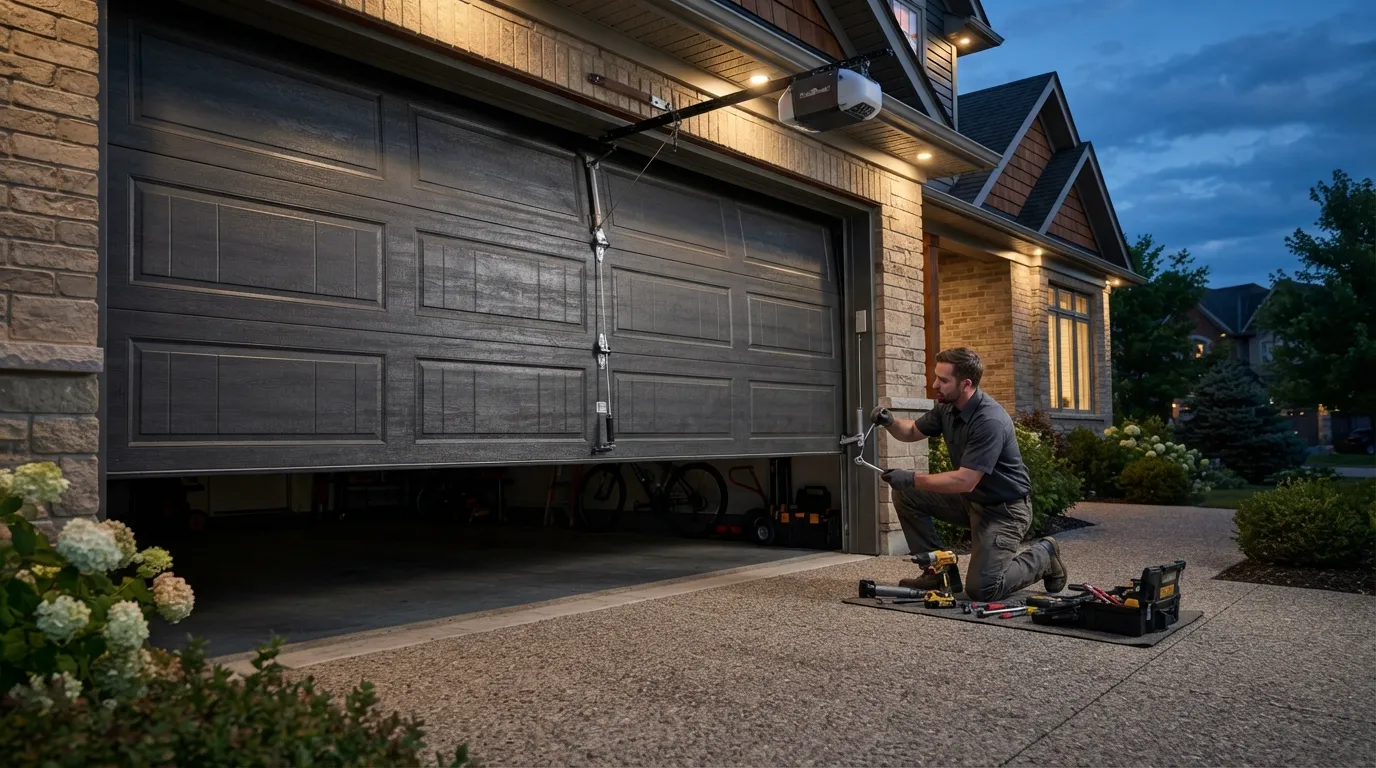
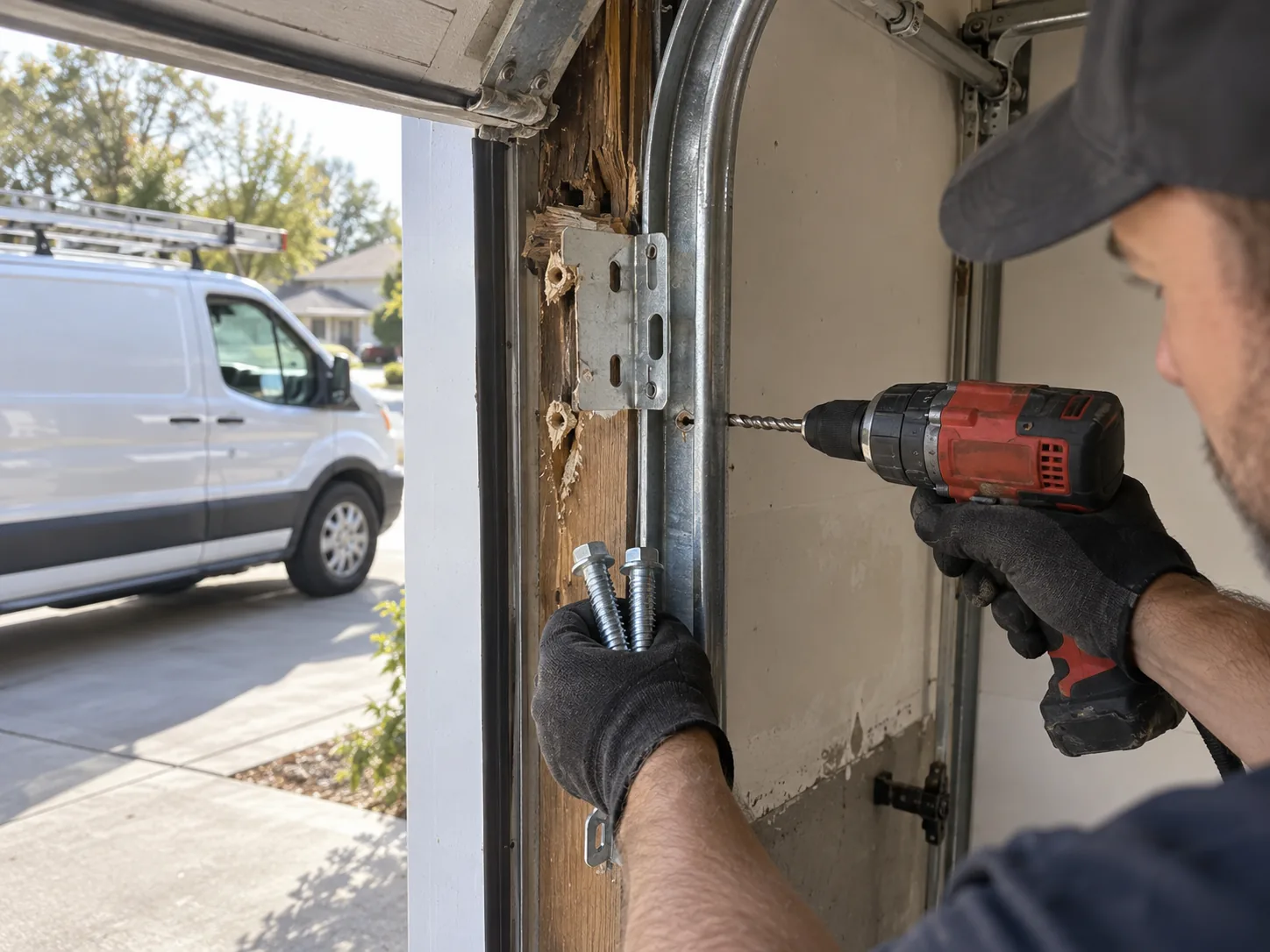
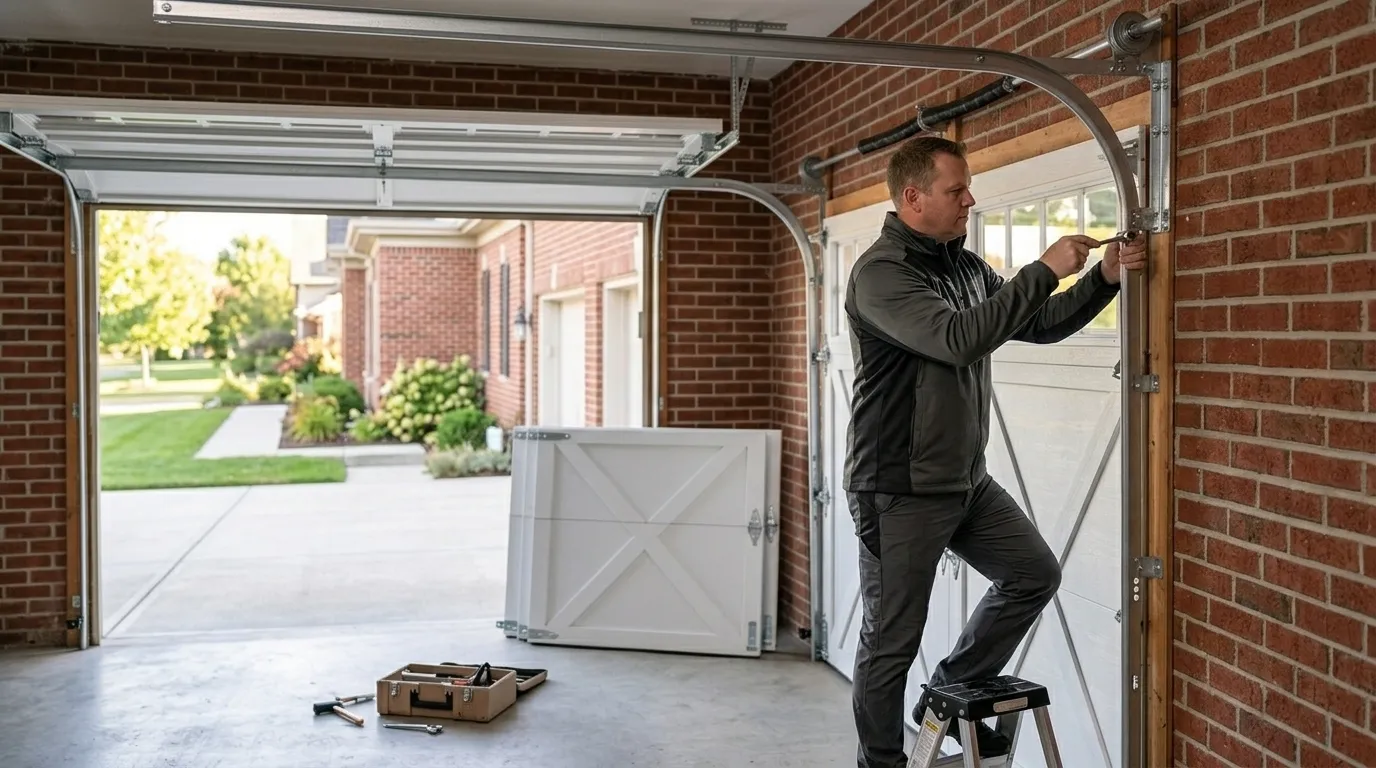
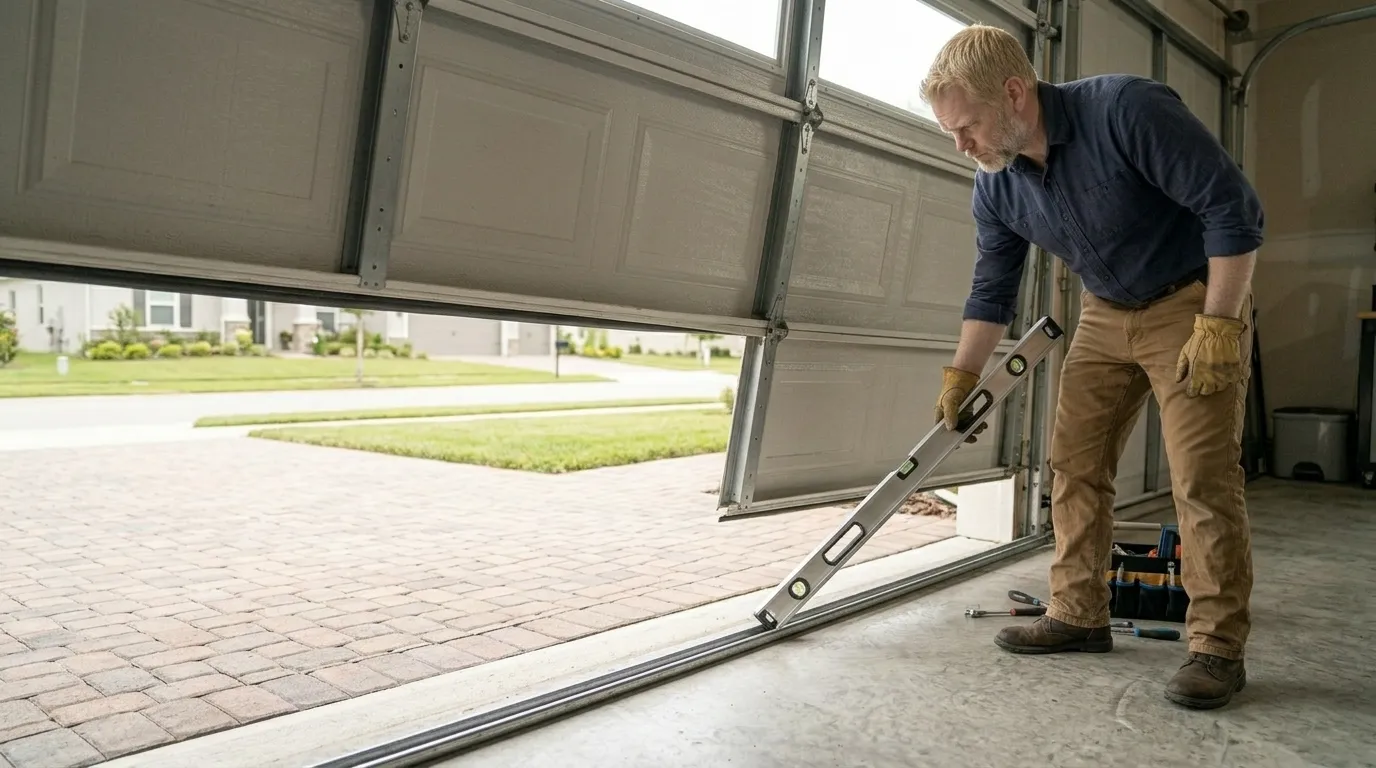
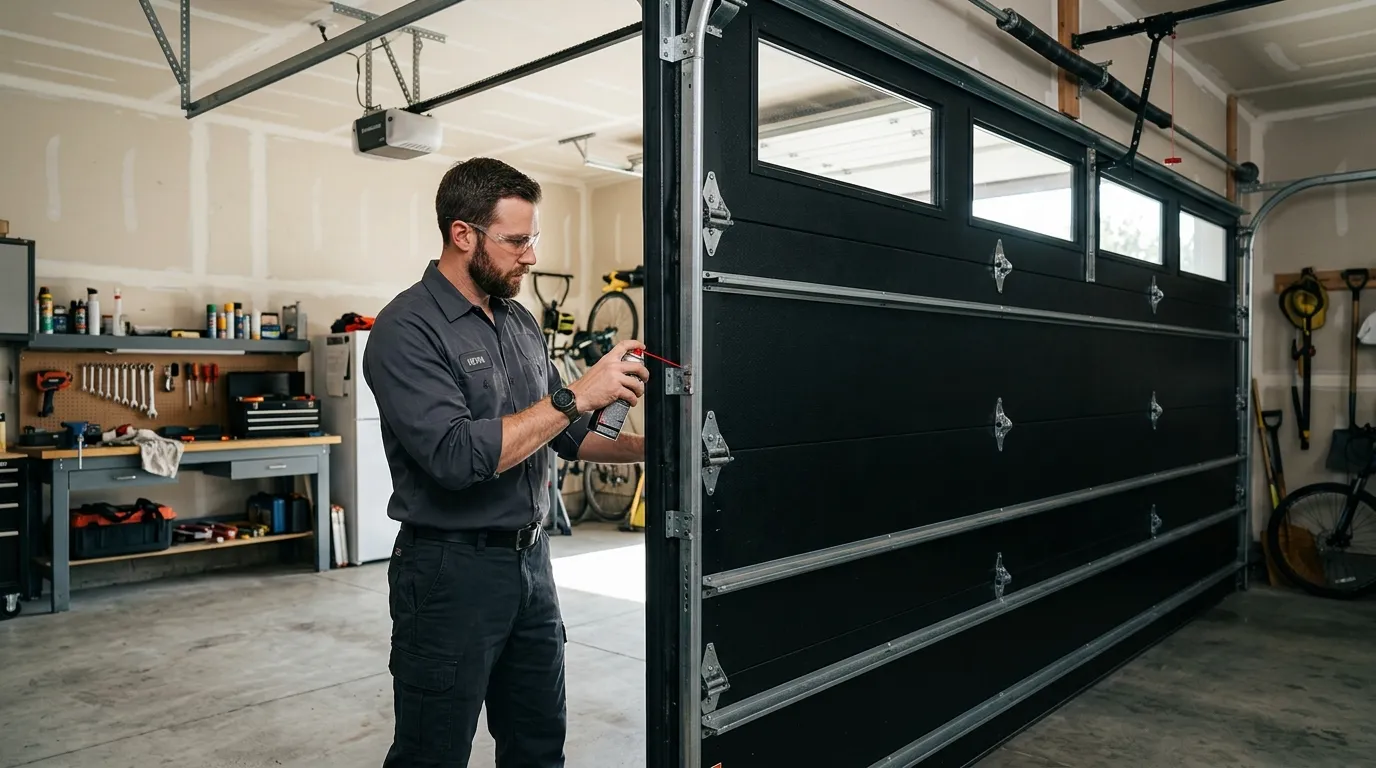
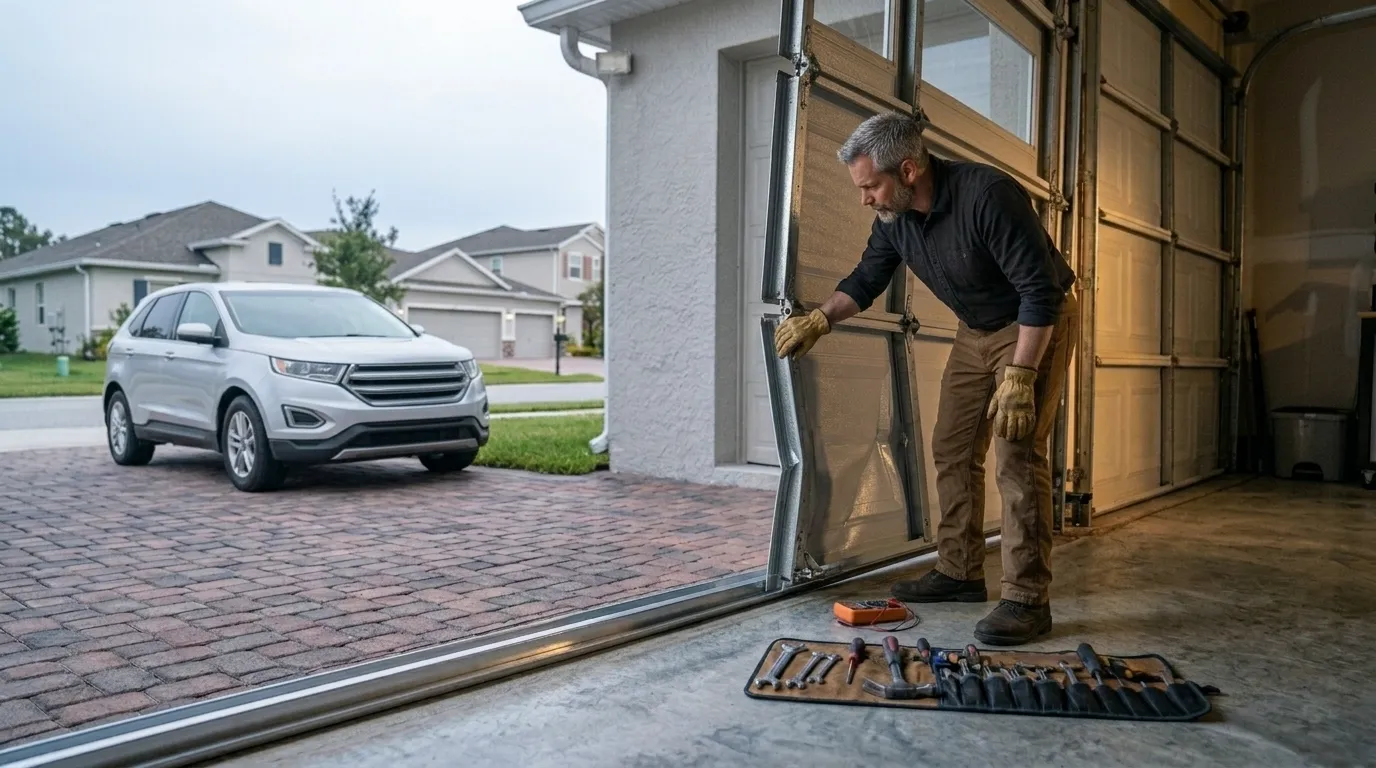
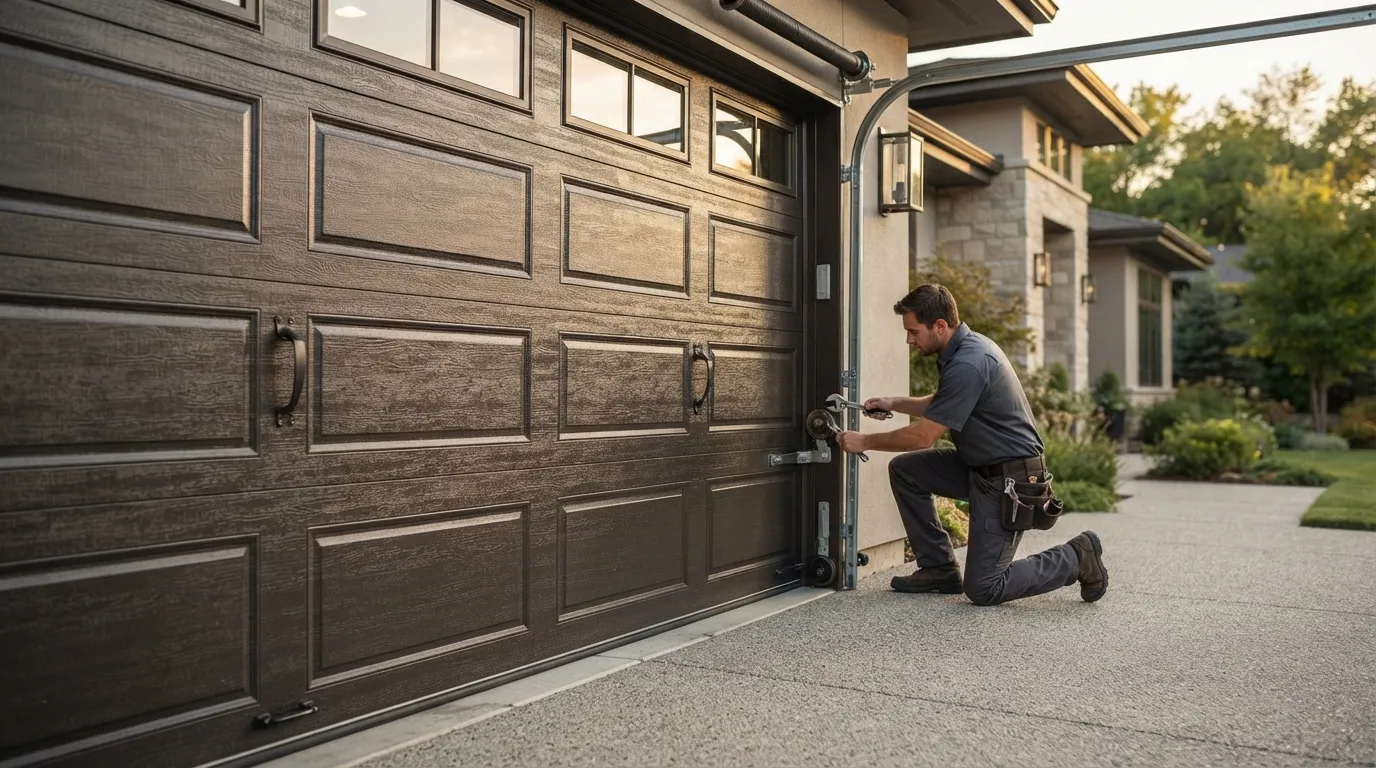
Broken springs, worn rollers, aging openers, track problems, older safety hardware, and mixed-generation components make up much of the work across Corona's 1980s- and 90s-heavy housing stock. Broken torsion springs on double doors are a recurring need across older homes; rollers wear after years of regular travel while older chain-drive openers develop motor, gear, or logic-board problems; some earlier garages retain hardware that predates modern safety features or has been updated one component at a time; and tracks get bent by impact or lose reliable alignment after repeated repairs — so the correct repair depends on inspecting the complete system rather than assuming the first visible failure is the only issue.
Garage door springs eventually reach the end of their useful cycle life after years of repeated opening and closing.
Older rollers can become noisy, rough, damaged, or resistant after years of regular track travel.
Older opener motors, gears, logic boards, sensors, controls, and drive systems can eventually develop operating problems.
Impact, repeated adjustments, worn rollers, or loosened hardware can leave tracks bent or unable to hold consistent alignment.
Earlier garage door systems may have been upgraded over time and should be inspected for the safety and control hardware actually installed today.
Repair or replace?
An older garage door is not automatically a replacement candidate. Repair remains practical when the structure is sound and the failure is isolated, while replacement becomes more sensible when panels, tracks, or several major components are deteriorating together.
A targeted repair can make sense when the panels, tracks, opener, cables, and surrounding structure remain serviceable.
Replacement becomes more practical when corrosion or structural damage leaves a panel unable to hold hardware reliably.
Broader replacement can make more sense when a track has been bent and repaired repeatedly but can no longer hold reliable alignment.
A newer opener can be more practical when an older unit relies on unavailable parts or has several major components near the end of their useful life.
What to expect
We start with what the door is actually doing, ask about its age and any previous work, test the complete system under power and by hand, and give you the repair price before the work begins.
Tell us whether the door won't open, stops partway, made a loud bang, or has moved off track. That symptom is the starting point.
We ask about the door's age and previous work to help anticipate spring sizes, roller types, opener generations, and other hardware.
The door is checked under power and by hand to separate spring, cable, opener, roller, and track problems before work begins.
We identify the actual failure and provide the repair price before beginning the work.
Some Older Parts May Need Ordering
Door age, unusual spring sizes, older opener parts, or less-common hardware can require additional sourcing rather than being standard truck stock.
Clear repair guidance
There isn't one flat repair price, because spring work, roller replacement, track repair, opener problems, installation, and other jobs involve different parts and labor.
Door size, door weight, spring configuration, roller condition, track damage, opener age, and parts availability can all change the scope.
Median household income across the broader service area runs around $108,588, but the price still comes from the door in front of us.
We inspect the actual door and provide the number before work starts rather than giving an exact sight-unseen quote.
If a component is not standard stock or several major parts are failing together, that is factored into the repair-versus-replacement decision.
Local housing matters
The broader source service area spans homes built from 1938 through 2007, with a median build year around 1981 and much of the housing concentrated in the 1980s and 90s.
That creates a mix of older torsion systems, chain-drive openers, steel and composite panels, rollers, tracks, cables, and replacement hardware from several generations.
The source references approximately 267,102 households across the broader area, including about 141,485 owner-occupied houses.
Earlier neighborhoods can still have older single-door configurations, while later tract development includes larger two-car garages and newer opener systems.
The build year provides useful context, but the correct repair depends on the hardware actually installed today.

1980s–90s garage door systems
Homes concentrated around the 1980s and 90s can combine older torsion hardware, chain-drive openers, replacement panels, newer controls, and several generations of rollers, tracks, and repair work.
Spring size and configuration should be matched directly to the actual weight and construction of the installed door.
Larger two-car doors place different demands on springs, rollers, tracks, and opener systems than smaller single-car doors.
Openers from earlier decades can now have aging motors, gears, controls, logic boards, and drive components.
A garage may have newer panels or controls while retaining much older springs, tracks, rollers, cables, or mounting hardware.
Local garage door wear
Corona sees moderate local heat rather than severe cold or repeated storm damage, so most failures trace to mechanical wear, daily cycling, component age, impact, and proper balance rather than extreme weather.
Repeated opening and closing remains the main source of long-term spring fatigue on local doors.
Rollers can gradually wear and begin moving roughly or binding in the track after years of regular use.
Impact, loosened hardware, or repeated adjustments can leave an older track system unable to guide the door smoothly.
Motors, gears, logic boards, sensors, and controls can develop age-related problems independently of severe weather.
Built around Corona garage doors
Corona's broad 1938–2007 build window means similar-looking garages can use different springs, rollers, tracks, openers, panels, and replacement hardware depending on when each system was installed or updated.
Spring dimensions, door weight, roller type, track condition, and opener hardware should be checked directly.
Spring selection should match the actual door rather than relying only on the age or appearance of the garage.
If the structure remains sound and one component is the actual failure, complete replacement isn't the default.
If panels, tracks, or several major components are no longer structurally reliable, broader replacement can be the more practical option.

Service areas
Questions
Most of the area's homes were built between 1938 and 2007, with the median landing around 1981. That means original torsion springs and openers from that era are past their rated life in a lot of houses, which is the single biggest reason doors fail here.
We cover the surrounding area including El Cerrito, Norco, El Sobrante, Eastvale, and other nearby communities within a roughly 20-mile radius. Call and tell us where you are and we'll confirm.
No. If the door's structurally rusted or the track is permanently bent, a patch repair won't hold and we'll say so. We'd rather tell you that up front than sell you a fix that fails again in six months.
Not an exact one. Spring size, door weight, and whether a part is in stock or has to be ordered all change the number, so we quote after we've looked at the actual door.
Ready when you are
Tell us what the door is doing and we'll help you figure out whether you're dealing with a spring, roller, track, off-track door, emergency problem, installation need, or an aging system that's reached the point where replacement makes more sense.