The Problem
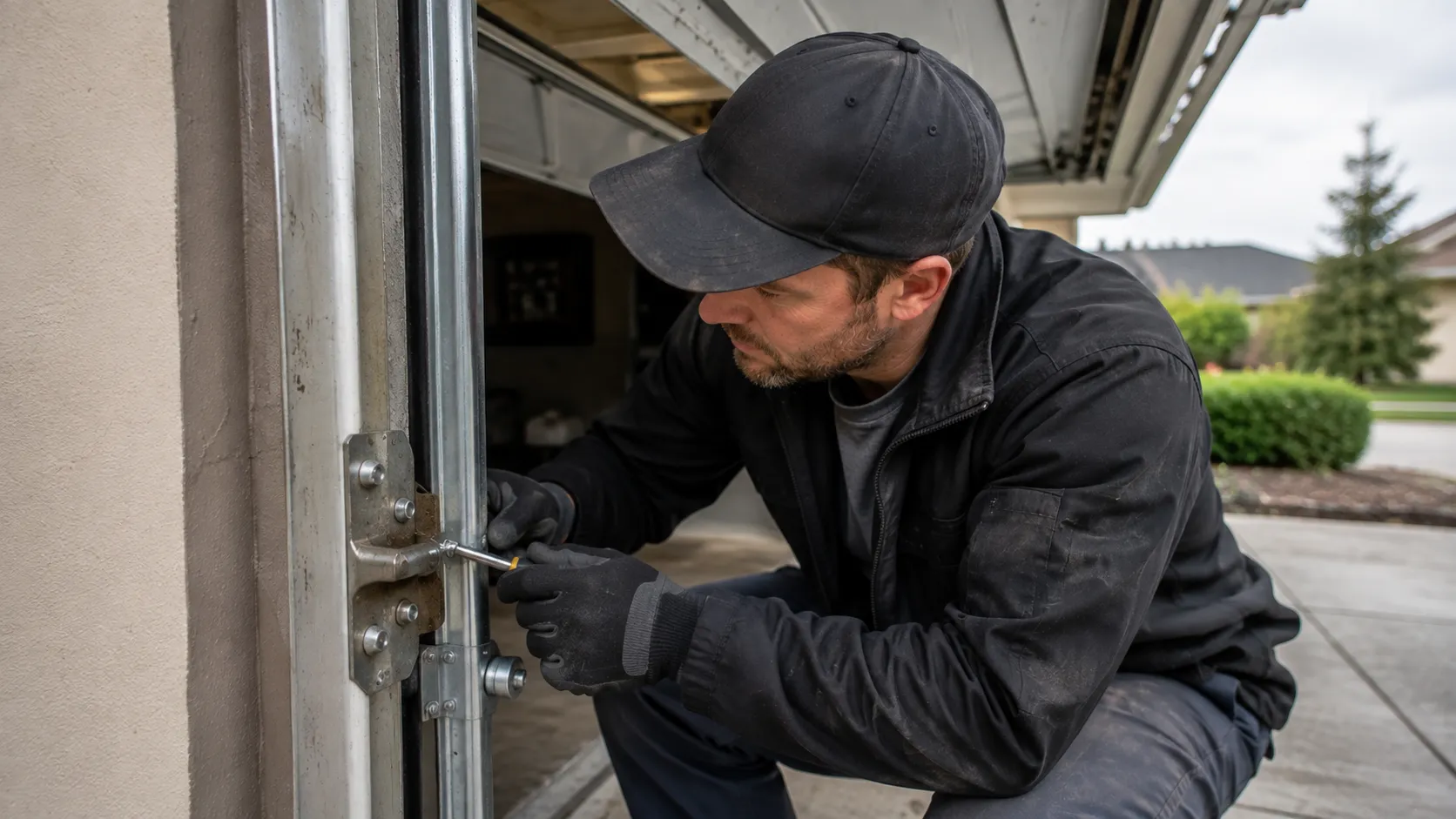
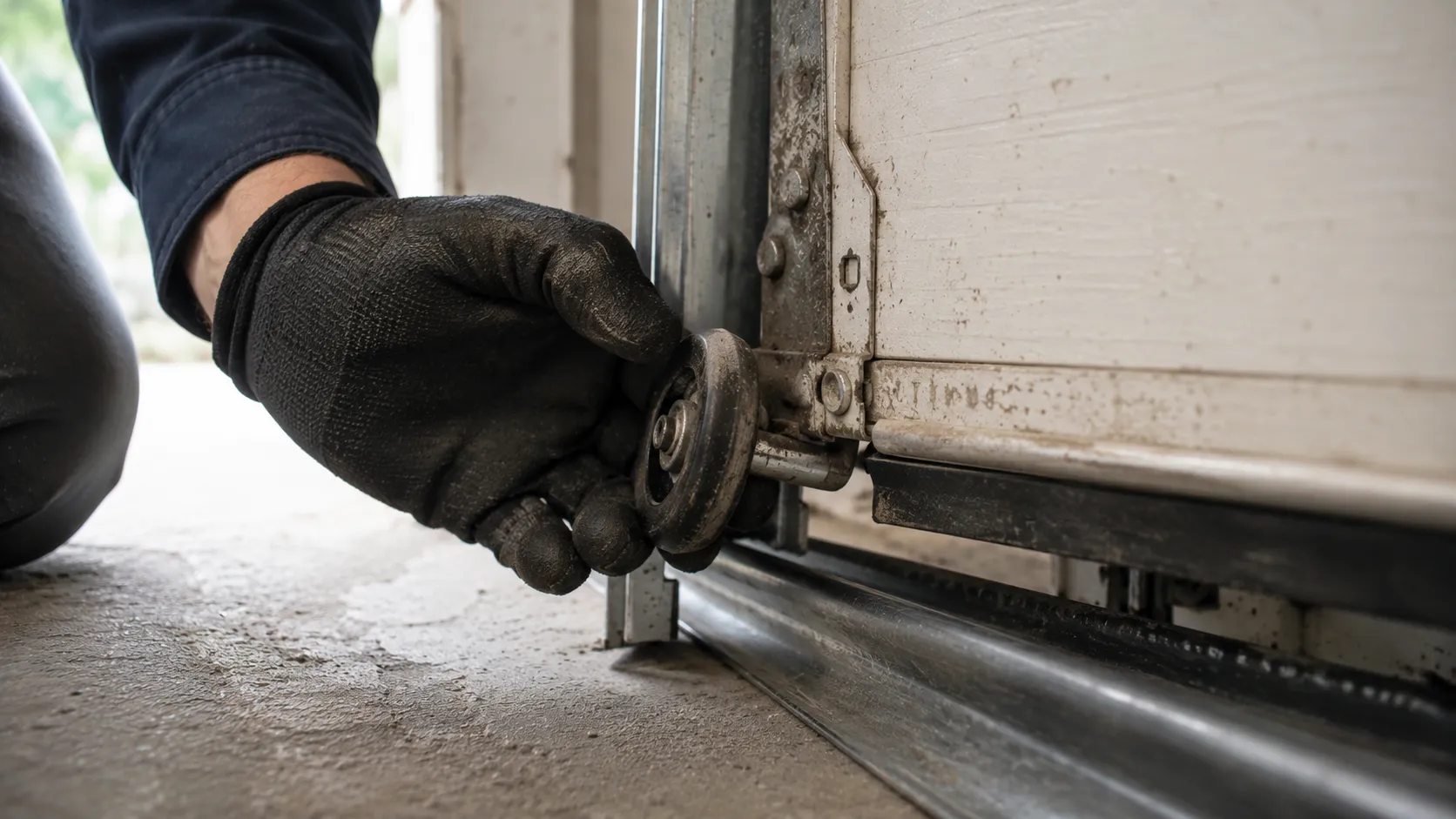
Corona's housing stock runs from 1938 up through 2007, but the typical house here dates to 1981. That means a big share of garage doors in this service area are still working with weatherstripping and bottom seals that were installed decades ago, sometimes original to the house. Vinyl seals don't last forever. They dry out, shrink, and pull away from the door edge, and once that happens you get a visible gap along the bottom or sides where light shows through during the day. Homeowners usually notice it as a draught first, sometimes as dust or leaves working their way in, sometimes as a strip of daylight under the door at night. On the older end of that 1938-2007 range, the door jamb itself has often shifted slightly over the years too, which makes a stock replacement seal sit unevenly even after you swap it. It's not usually one dramatic failure. It's slow, and by the time someone calls, the seal has been letting outside air in for a while. Across the roughly 267,102 households in this part of Riverside County, this is one of the most common calls we get that isn't spring- or opener-related.
What You Pay
We don't have a set price to quote you here, because seal jobs vary by door width, the type of track and jamb you have, and whether the bottom astragal needs replacing along with the side seals. A single-car door with straightforward vinyl weatherstripping is a different job from a double door with a warped jamb that needs shimming before a new seal will even seat right. What we can tell you is that seal and weatherstrip replacement is one of the cheaper garage door repairs there is, and it's almost always worth doing before you spend money on insulation panels or a new opener, since a gapping seal undercuts both. With median household income in this area at $108,588, most owners we talk to treat this as a straightforward maintenance call rather than something to put off, especially once they've felt the draught themselves standing next to the door.
What Local Conditions Do
Corona sits in a moderate-heat climate band, and heat is hard on rubber and vinyl seals in a specific way: repeated hot afternoons followed by cooler nights cause the material to expand and contract, and over years that cycle is what cracks and hardens a seal faster than the manufacturer's rated lifespan would suggest. On a house from the 1980s or 90s stock that makes up most of this area, that seal has likely gone through thirty-plus years of that cycle already. You'll see it as a seal that's gone stiff and glossy rather than staying pliable, or as one that's cracked at the corners where it flexes most when the door opens and closes. The garage itself heats up more than people expect, since a gapping seal lets hot outside air in during the day, which then has nowhere to go. Homes close to Corona, including those a few miles away in El Cerrito, Norco, and El Sobrante, sit in the same climate band and see the same pattern on houses of a similar age, which tells you this isn't a one-off, it's what the local heat does to seals on a normal schedule.
When to Get Help
Call when you can see daylight along the bottom or sides of a closed door, when you feel a steady draught standing next to it, or when the seal has gone hard and cracked instead of staying flexible under a thumbnail. Those are seal problems and a straightforward fix. Where it stops being a seal job is if the door panel itself is warped, if the track has pulled away from the jamb, or if the gap is uneven from one side to the other, since that usually points to a structural or alignment issue that a new seal won't solve on its own. We'll tell you honestly if that's what we find rather than sell you a seal that won't hold. If your house falls into the older end of Corona's 1938-2007 building range, it's also worth having someone check the jamb itself while they're there, since a shifted frame is common enough on houses of that age that it's worth ruling out.
Talk to a local pro
Garage door trouble in Corona?
Same-day service with honest, upfront quotes.