The Problem
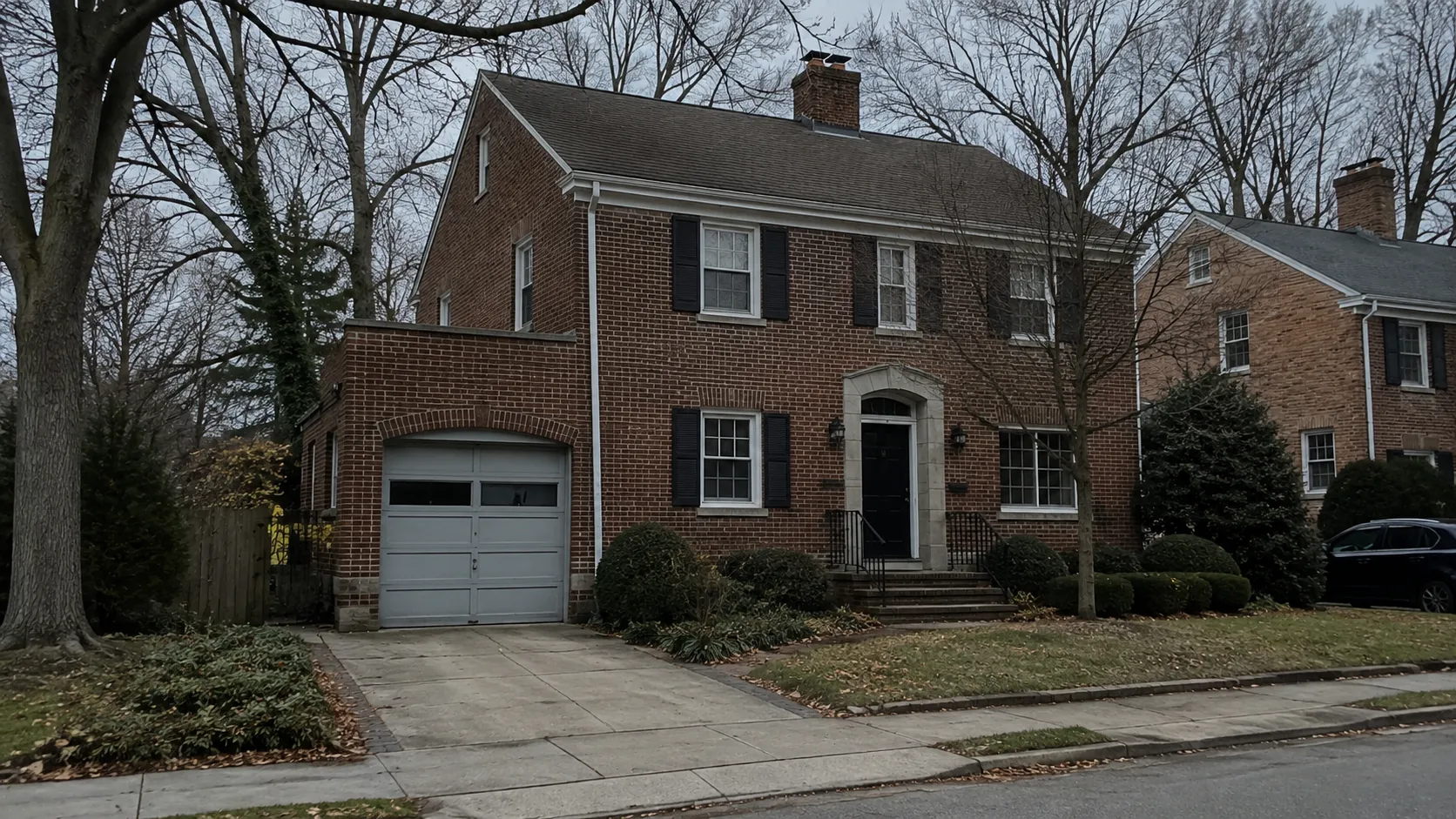
Most houses in Corona went up between 1938 and 2007, and the bulk of that stock - across the 30 named areas we work in, from tracts near El Cerrito to the newer streets toward Eastvale - dates from the 1980s and 90s. That's the era when steel sectional doors became standard, replacing the wood swing-outs and one-piece tilt-ups of the older blocks. If your house falls in that window, there's a decent chance the door hanging on your garage right now is the original, or a like-for-like swap from a decade or two back.
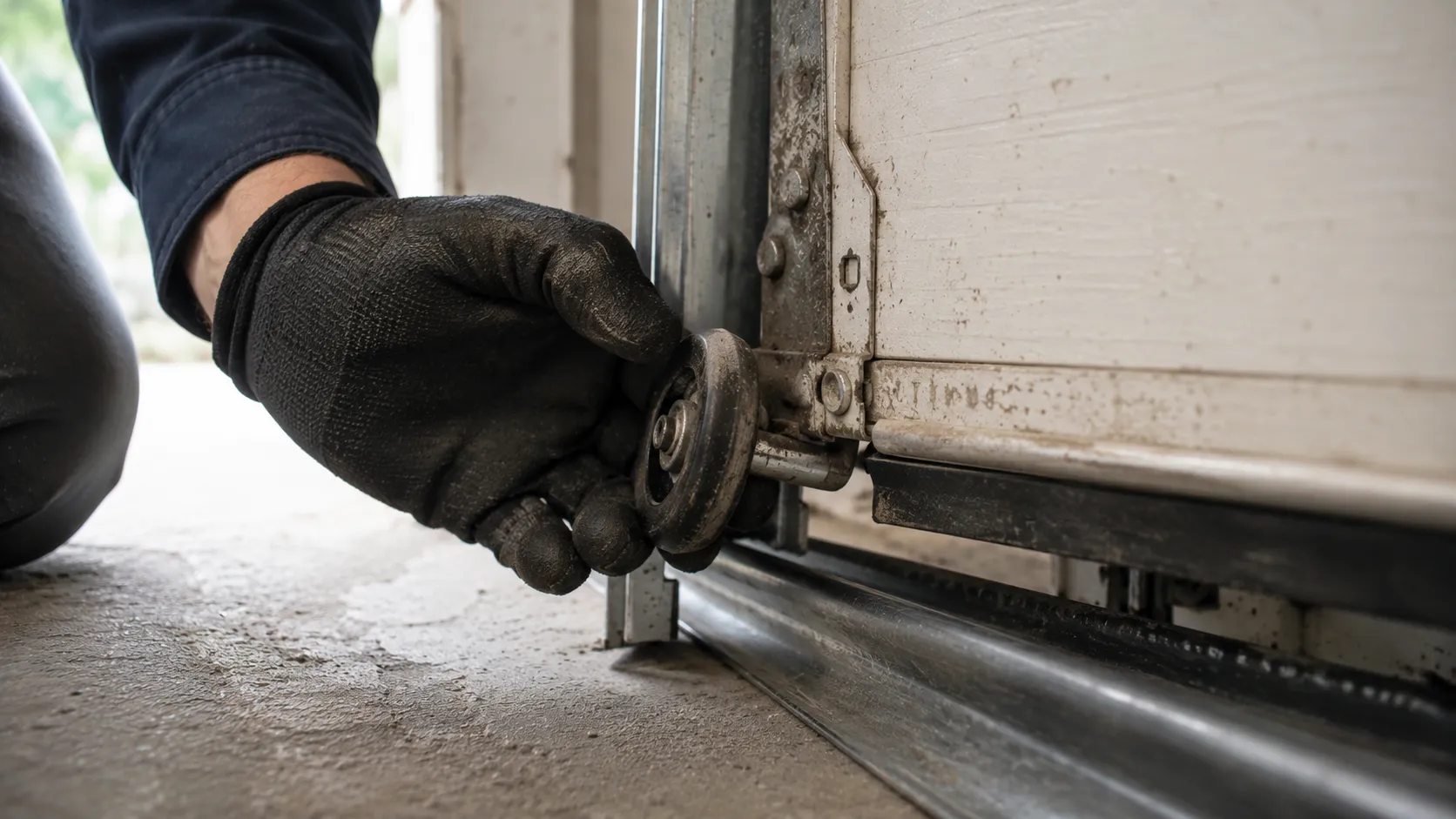
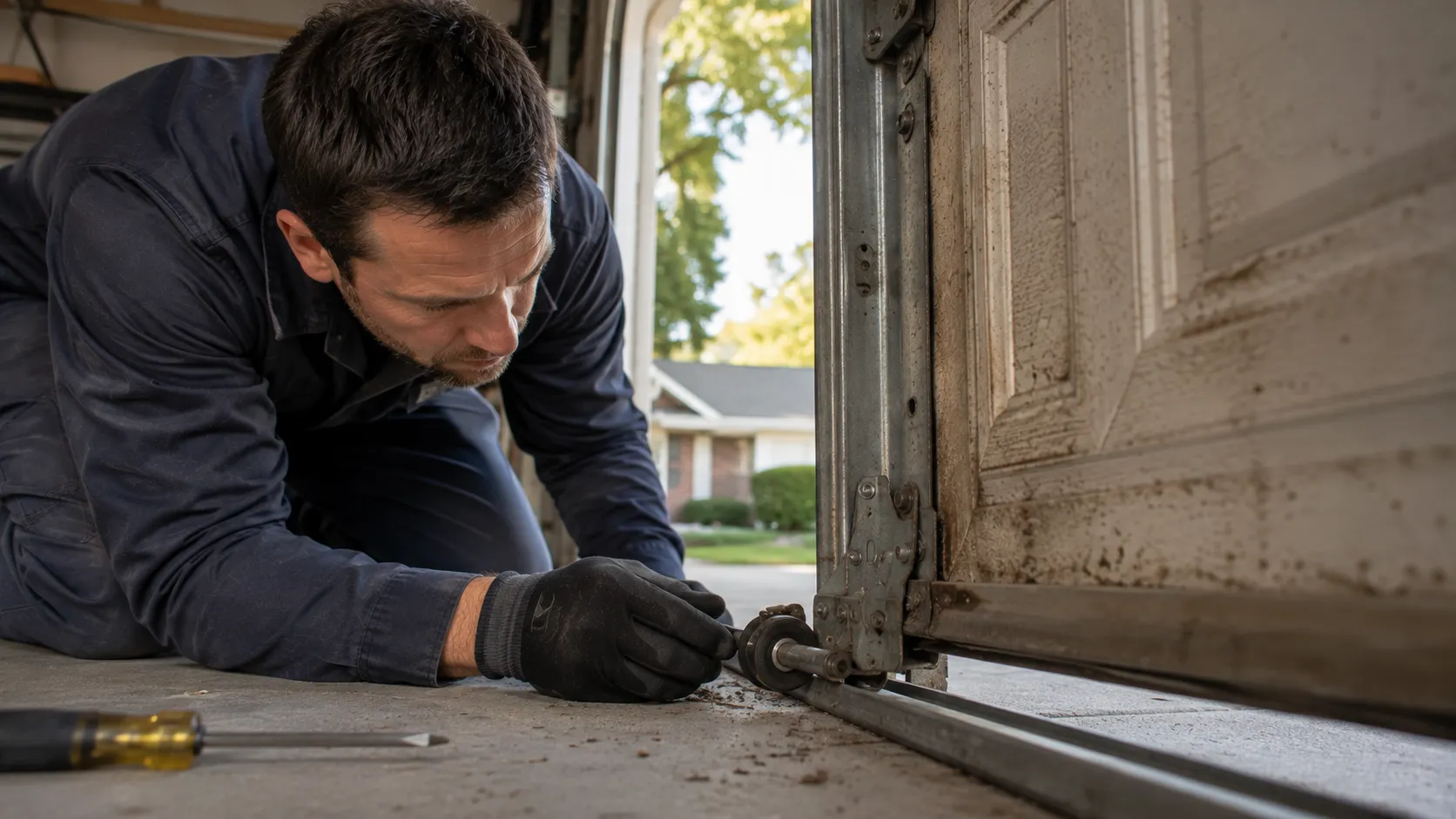
The problem shows up slowly. Rollers wear out of round, the steel skin starts to oxidize at the bottom panel where sprinklers hit it, and the torsion spring - rated for a certain number of cycles - finally gives out. None of that means the opener is dead. It usually means the door itself, hardware and all, is at the end of a run that started when the house was built. Replacing it isn't an emergency most of the time. It's a decision about whether to keep patching a 30-to-40-year-old door or start over.
What You Pay
We don't have a set price to quote you here, and we're not going to make one up. What we can tell you is what drives the number: door material and insulation level, whether the track and springs need replacing along with the panels, and whether your opener is compatible with a heavier or thicker door. Houses built in the 1980s and 90s often have narrower door openings and lighter-duty track than what's standard on new construction, so a straight swap isn't always straight.
Corona's median household income sits at $108,588 across the service area, which tells you the market here can support a mid-to-upper-range door - insulated steel, better hardware, quieter operation - but it doesn't set your price. Get a number for your specific door, opening, and opener before you commit to anything. If a quote seems to include work you didn't ask for, ask why.
What Local Conditions Do
Corona sits in a moderate-heat climate band, not the extreme desert heat you'd get further east. That matters for a couple of reasons. Steel panels and tracks still expand and contract with the heat, and on an attached garage that heat transfers into the house more than people expect, but you're not fighting the kind of sustained triple-digit stretch that shortens hardware life the way it does in hotter inland pockets.
What that means for a replacement door: insulation is worth paying for if the garage is attached and you use the space, but you don't need to over-build for extreme heat cycling the way a house out past Lake Elsinore or Temescal Valley might. It's a middle-of-the-road climate for garage hardware - steady enough that a decent-quality door installed correctly should run close to its full rated life without heat being the thing that kills it early.
When to Get Help
Call before the door fails all the way, not after. If you're hearing a bang from the spring area, seeing daylight gaps at the panel seams, or the door drifts down instead of holding when the opener stops, that's a door telling you it's near the end - especially if the house dates to that 1980s-90s stretch that makes up most of the stock here.
One honest limitation: if a part is obsolete - some of the hardware on doors from the earlier end of that 1938-2007 range just isn't made anymore - a repair can take longer than you'd like while we source or fabricate around it. In that case replacement is usually the faster and more sensible path, and we'll tell you that instead of stringing out a repair that won't hold.
Talk to a local pro
Garage door trouble in Corona?
Same-day service with honest, upfront quotes.