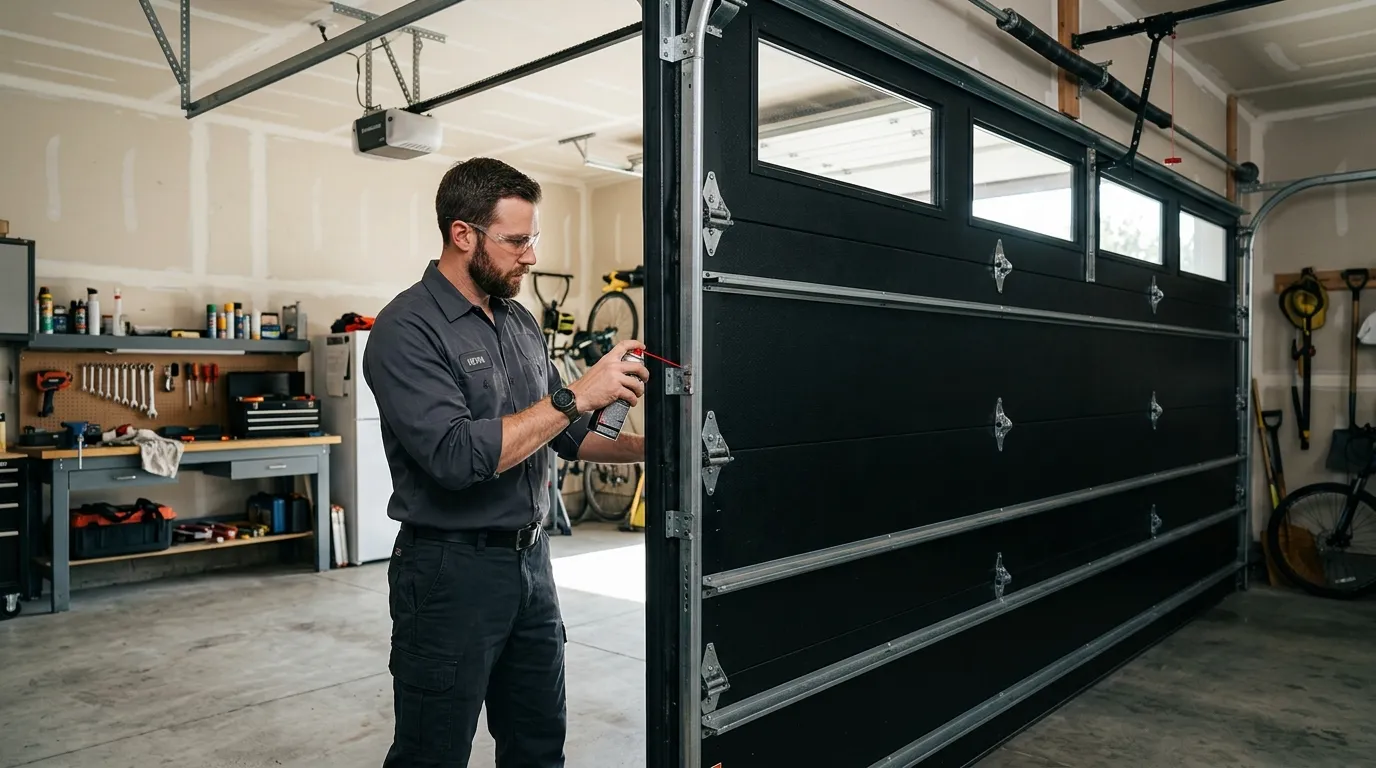
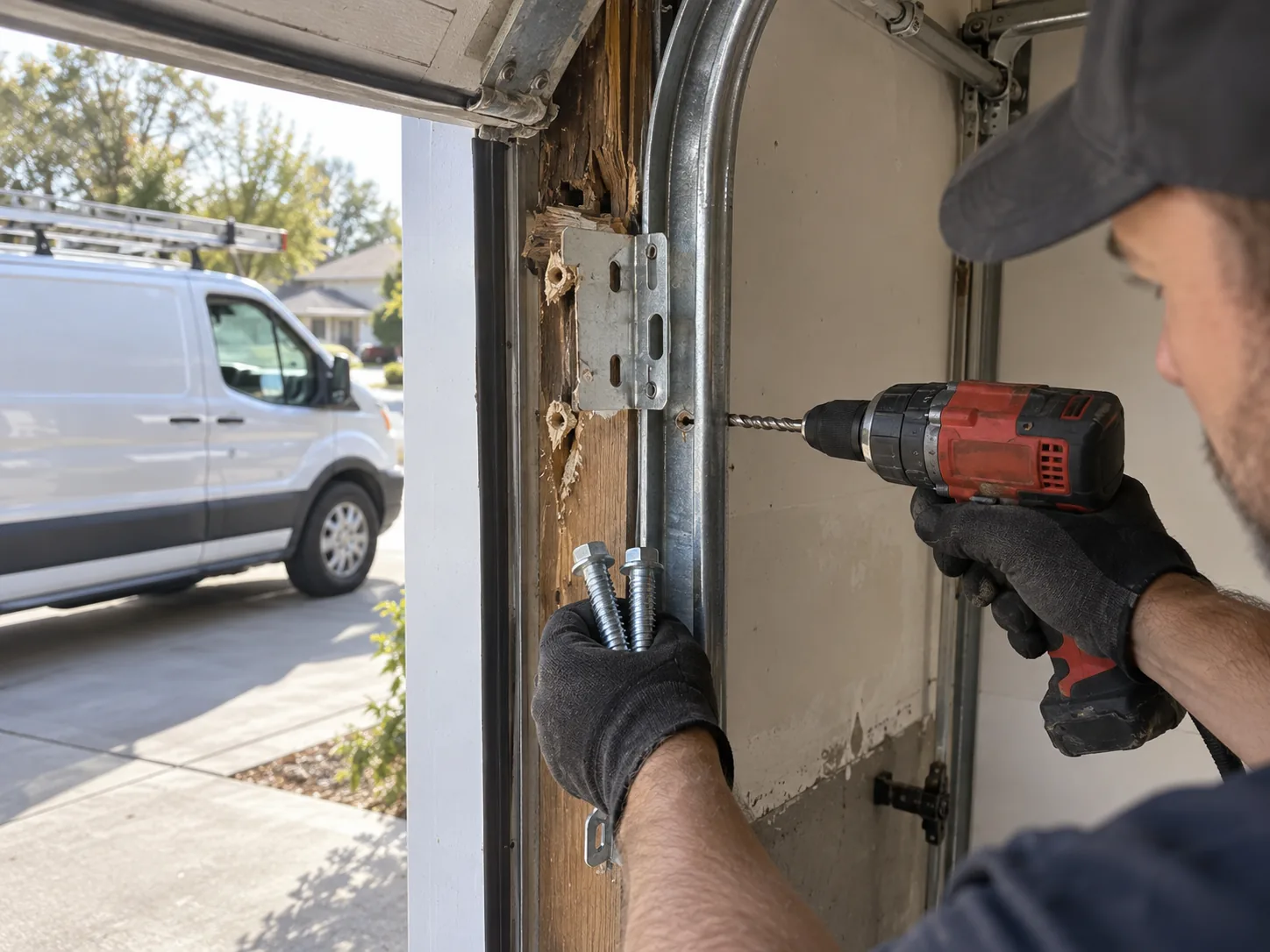
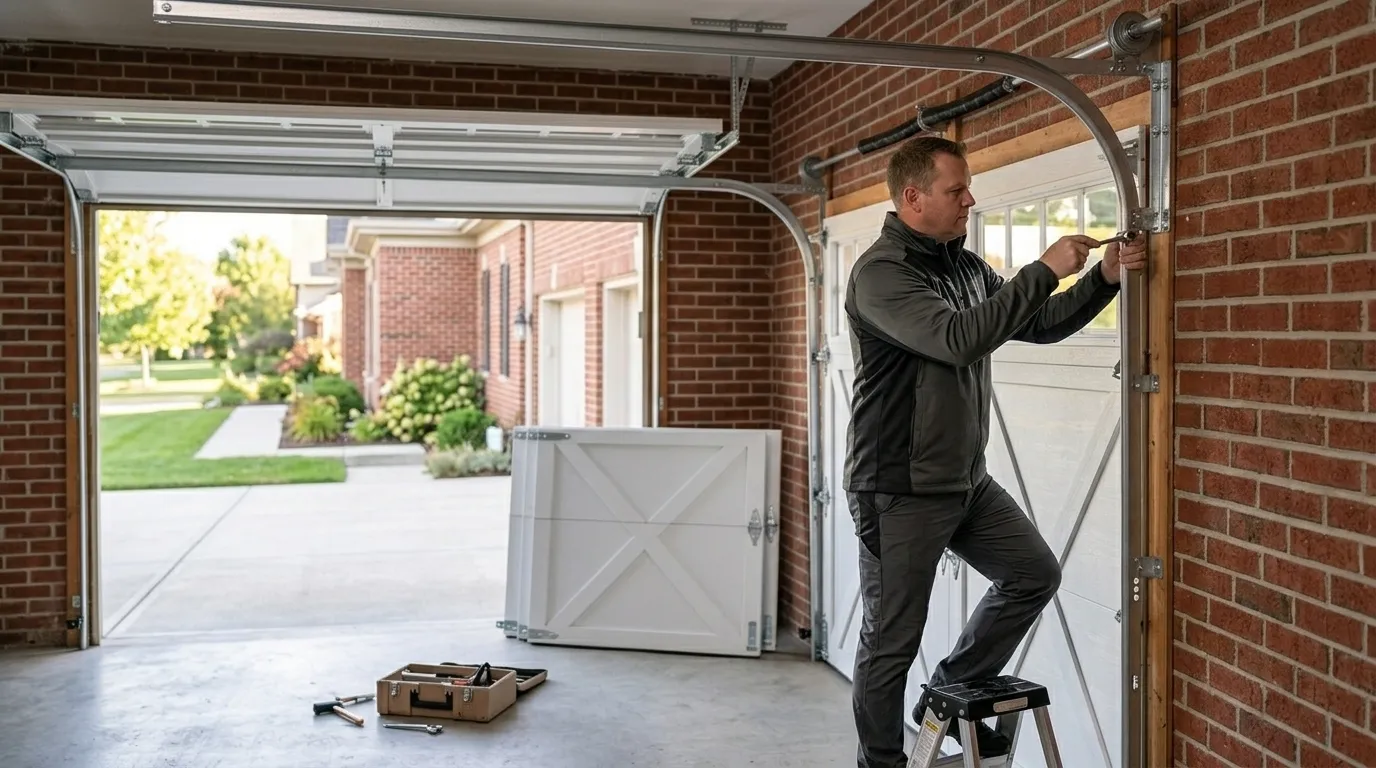
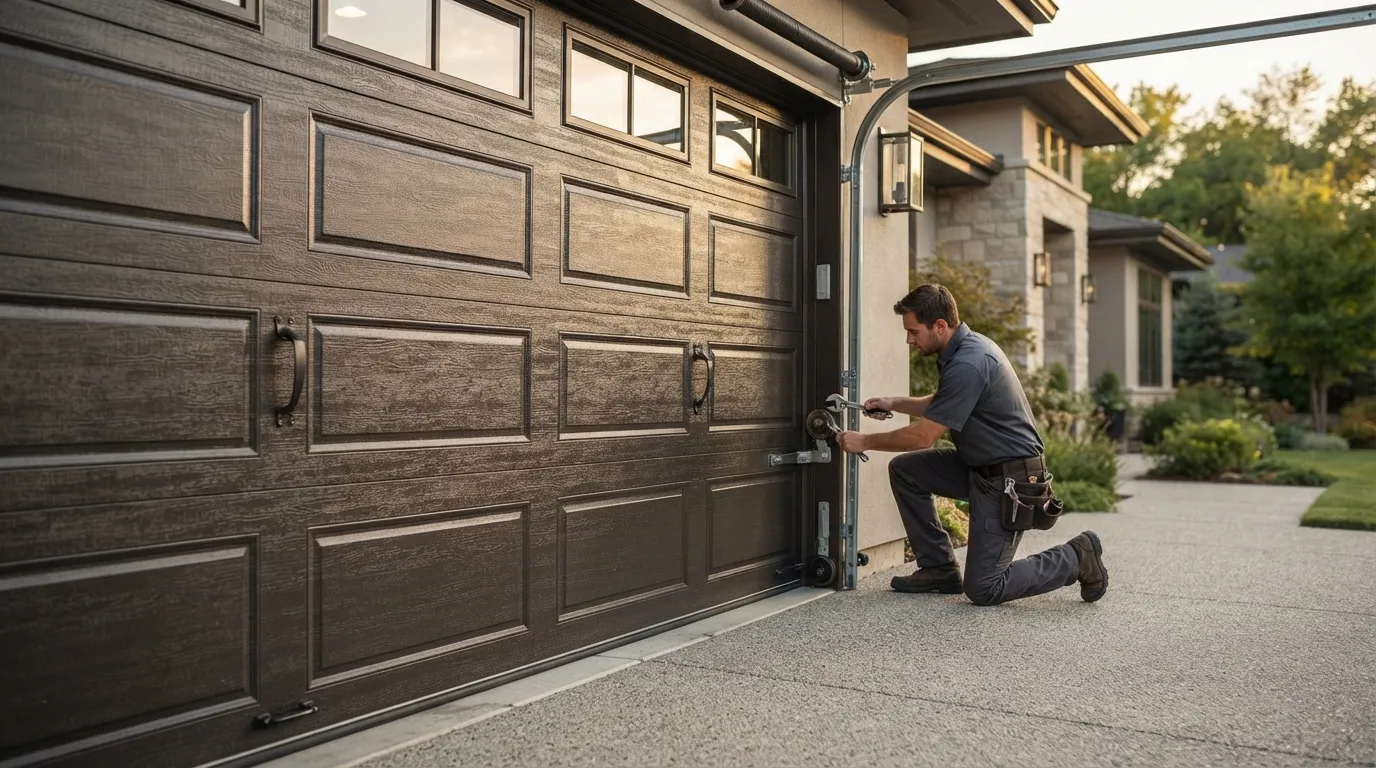
Corona sits in a moderate-heat climate band, and that matters more for garage doors than people expect. It's not extreme heat damage - it's the daily swing. Steel track and aluminum door sections expand and contract every day, year after year, and that slow cycle dries out spring lubricant and works screws loose at the track brackets faster than it would in a milder, flatter climate.
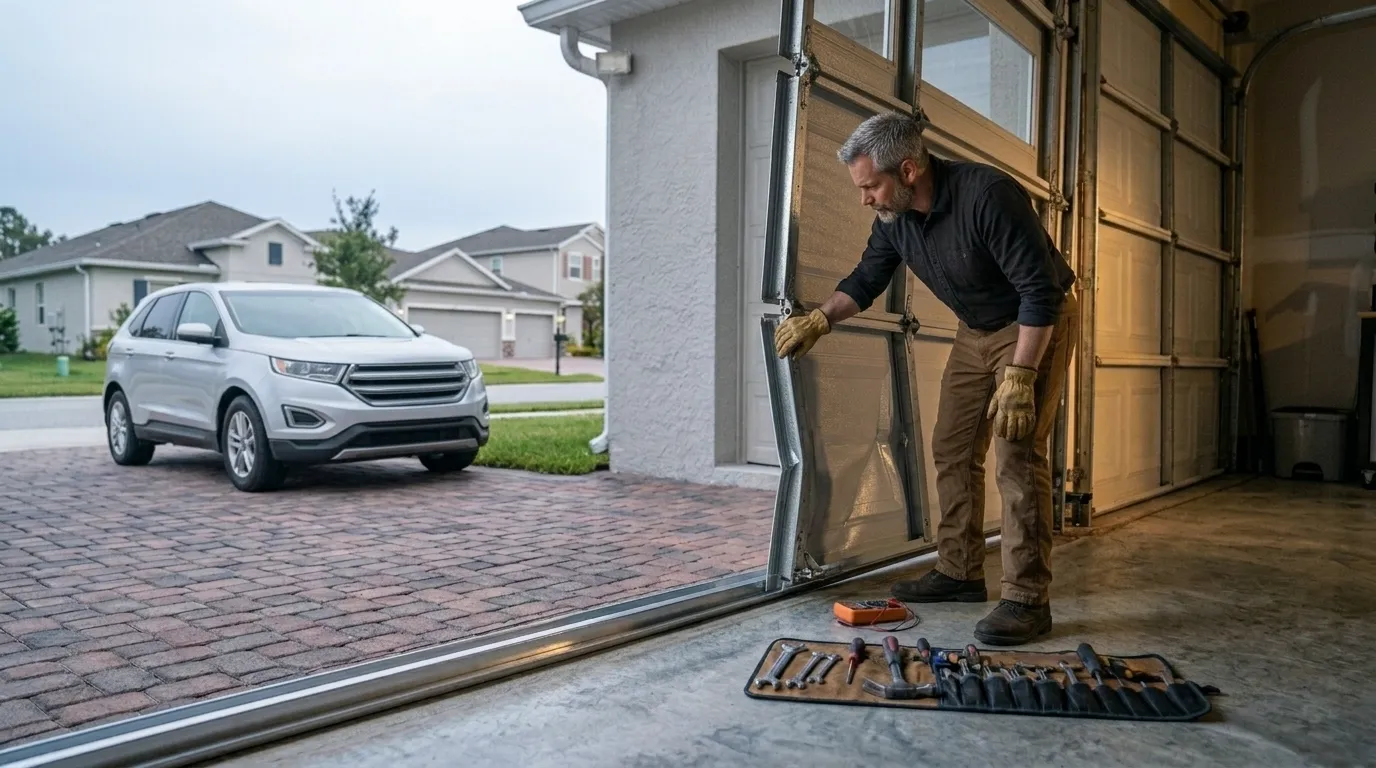
Age compounds it. With housing built between 1938 and 2007 and a median year of 1981, a large share of Corona doors are old enough that the original hardware has simply outlasted its design life. The 1980s and 90s stock that dominates the area often shipped with lighter-duty rollers and springs than what goes into a door today, so those houses tend to show wear a few years before you'd expect based on age alone.
We don't see a single dominant cause - it's the combination of decades-old hardware and a climate that never lets metal parts sit still. That's also why a spring that snaps on one street doesn't mean the whole block is due; it depends on which era of hardware that particular house got built with.