
Corona, CA
Garage Door Repair for Corona Homes
Broken spring or off-track door in Corona, CA? Corona Garage Door Pros fixes the failures common in homes built 1938 to 2007, from El Cerrito to Eastvale.
What we do
Garage door work in Corona
Garage Door Installation for Corona Homes
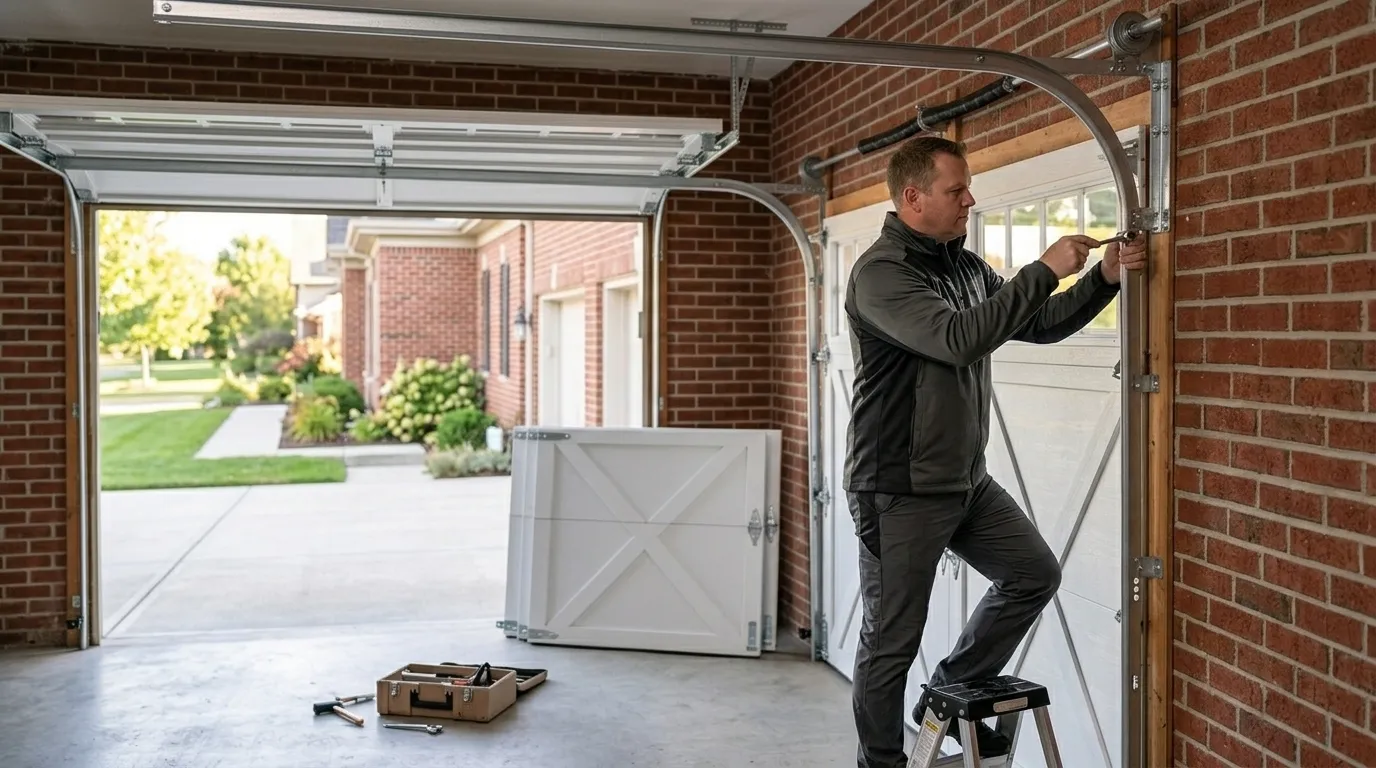
New garage door installs in Corona, sized for the 1980s-90s tract stock that makes up most of this area and built for our heat, not a coastal climate. Learn more →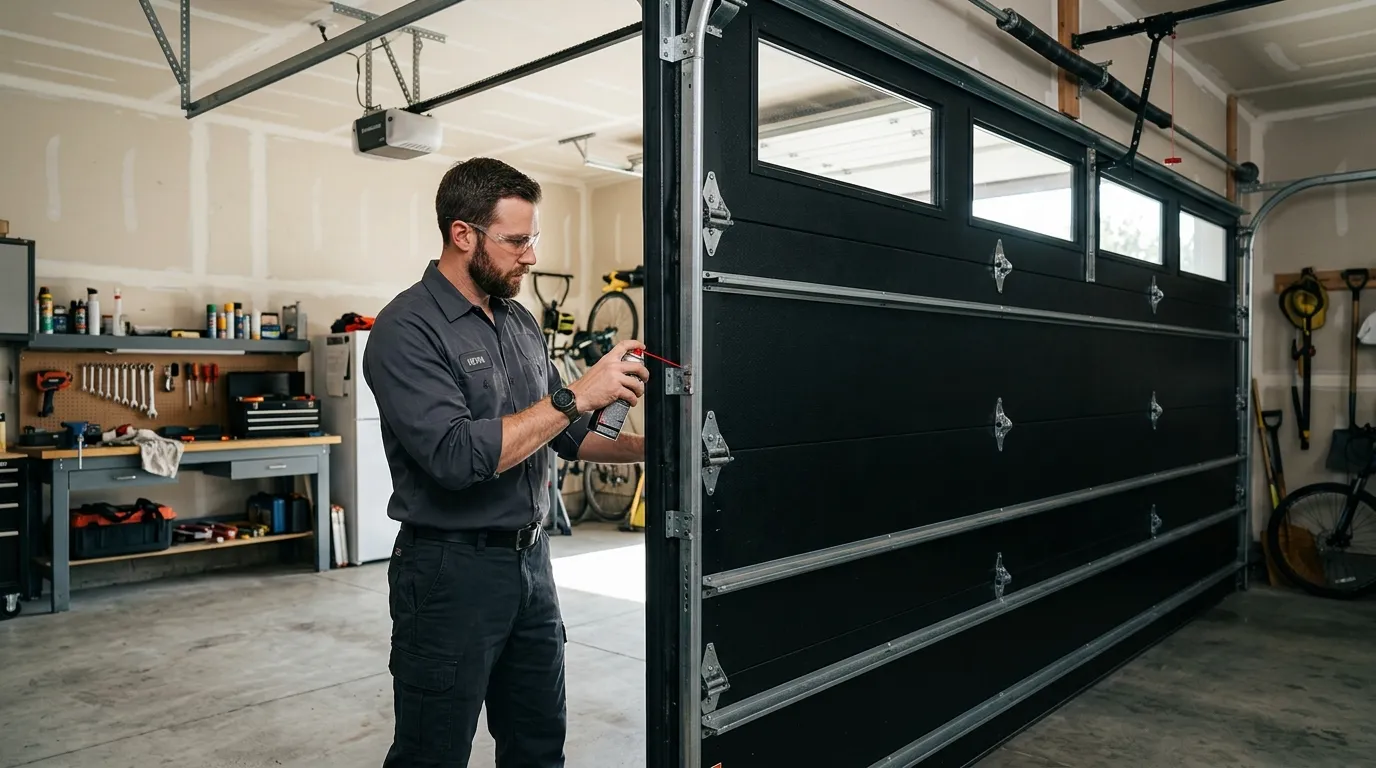
Garage Door Repair for Corona, CA Homes
Corona homes built 1938-2007 wear out torsion springs fast in the heat. Learn more →Local detail
Can You Do This Yourself
Some of this is fine to handle on your own. Lubricating rollers and hinges, tightening loose bolts on the track brackets, replacing worn weatherstripping at the bottom of the door - none of that needs a call to us. A remote that stopped syncing or a sensor lens covered in dust is also something most people can sort out with the manual.
What you shouldn't touch is the torsion spring. It's wound under enough tension to break a bone or worse if the winding bars slip, and a single-panel door on a residential opener does not give you room for error. Cable replacement is the same story - those are load-bearing, not decorative. If the door is off its track, resist the urge to force it back on with a pry bar. That usually bends the track further and turns a $150 fix into a full track replacement.
Honest limit on our end too: if you call about a part we don't stock on the truck - certain opener logic boards, for instance - we may need a day or two to get it in. We'll tell you that up front rather than promise same-day and miss it.
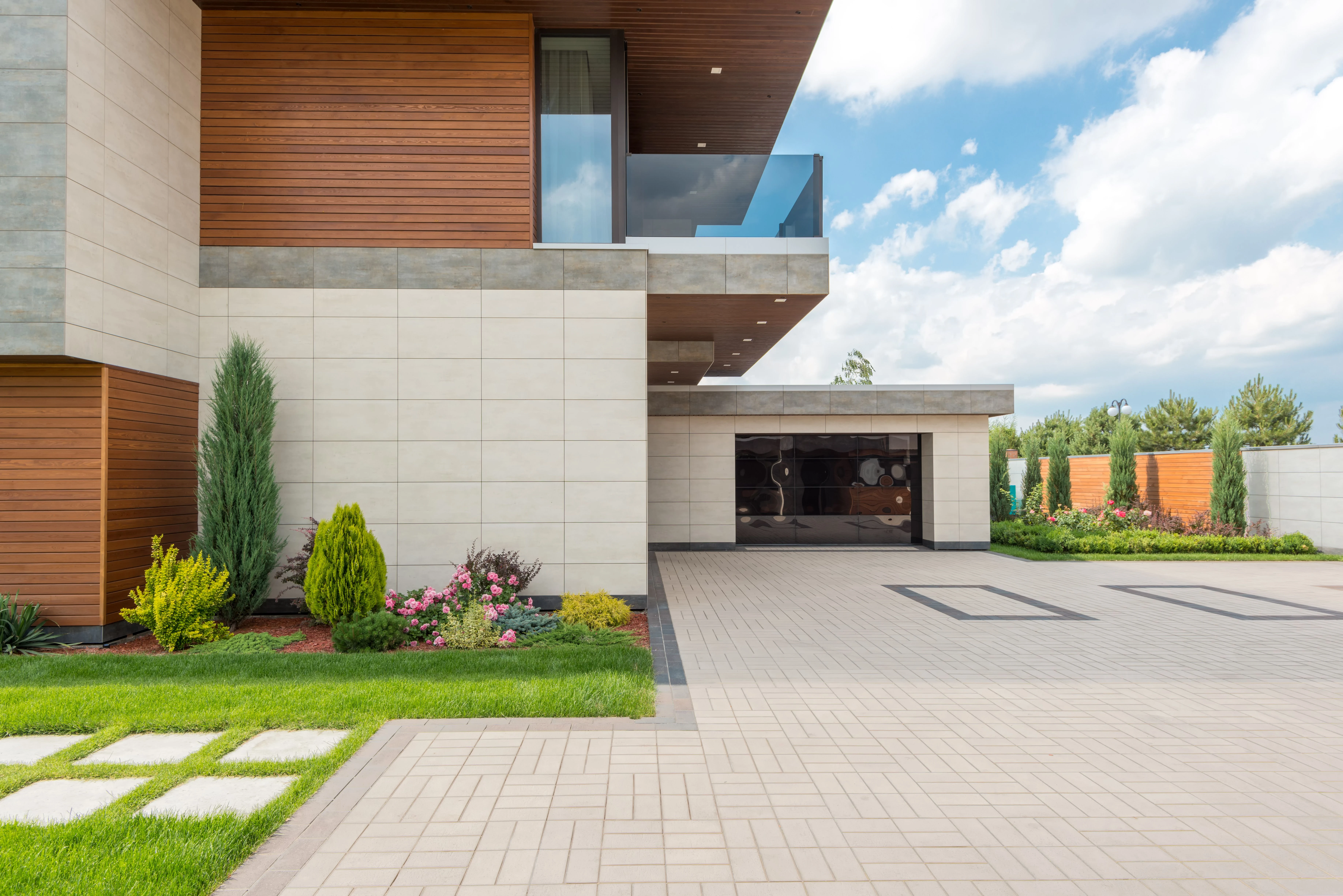
The area
What You Are Seeing
The most common call we get is a door that won't budge, or one that lifts a few inches and stops. That's almost always a broken torsion spring - you'll often hear it before you see it, a loud bang from the garage that people mistake for something falling off a shelf.
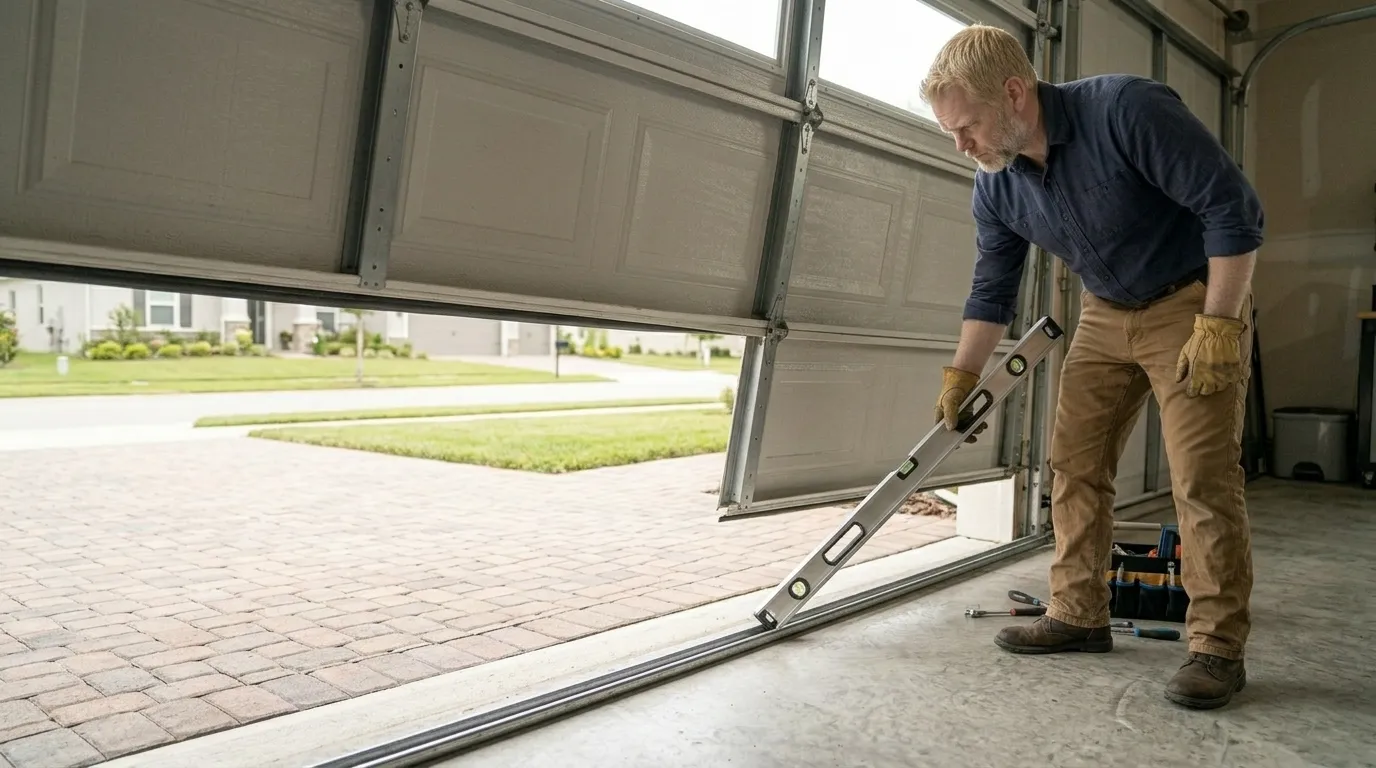
Next most common: the door runs off-track, usually on one side, so it looks tilted or binds partway through the cycle. That's a roller or a bent track section, sometimes both if it's been dragging that way for a while.
Then there's the slow fade - an opener that grinds louder every month, takes two or three tries to catch, or reverses on its own halfway down. That's usually the motor gears wearing out or the travel limits drifting, not something that fixes itself with a new remote battery.
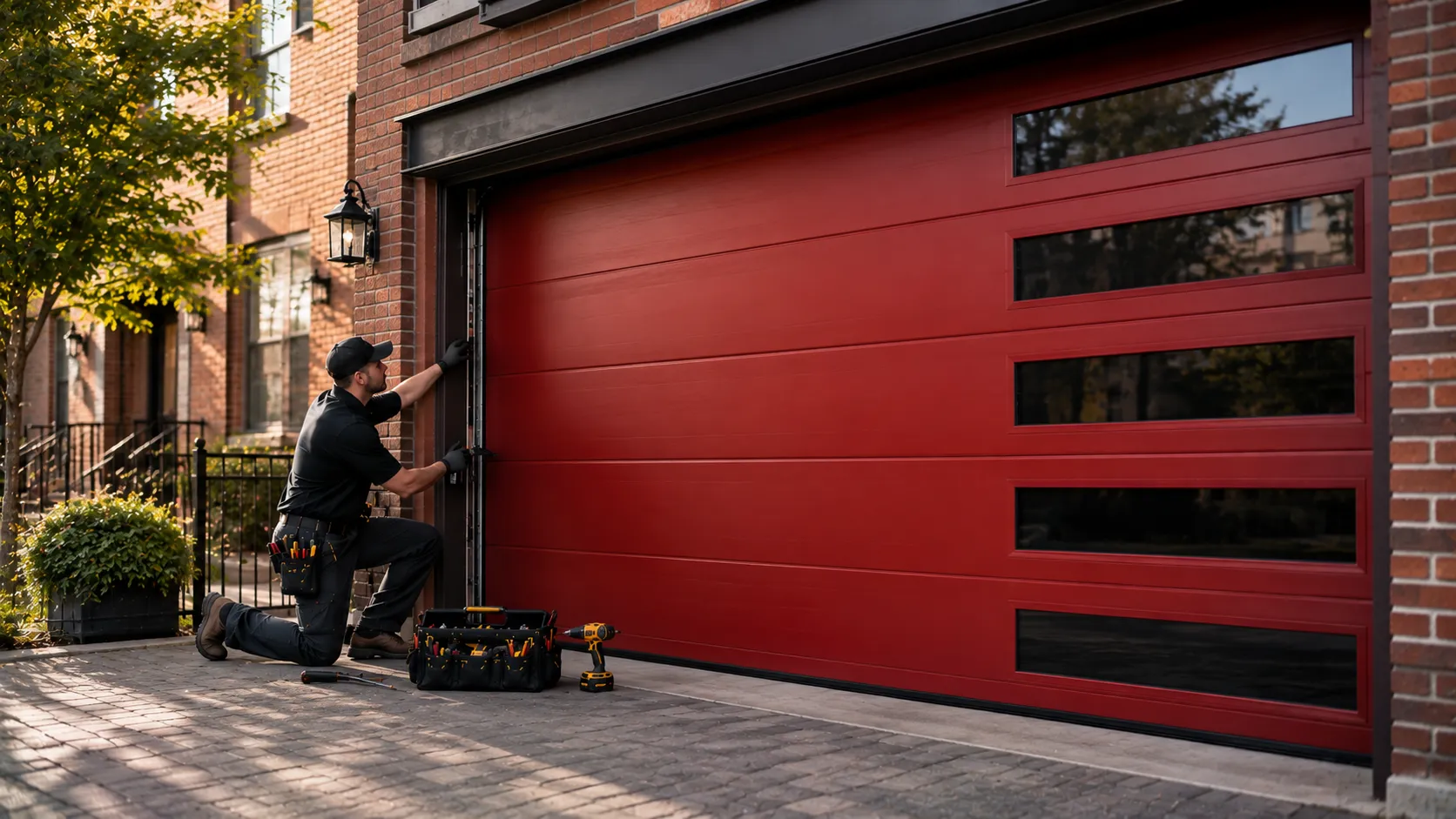
Less dramatic but still worth a call: a bottom panel that's started to bow or crack, especially on doors that get direct afternoon sun. It won't seal right anymore, and once a panel goes, the door doesn't sit square on the track.
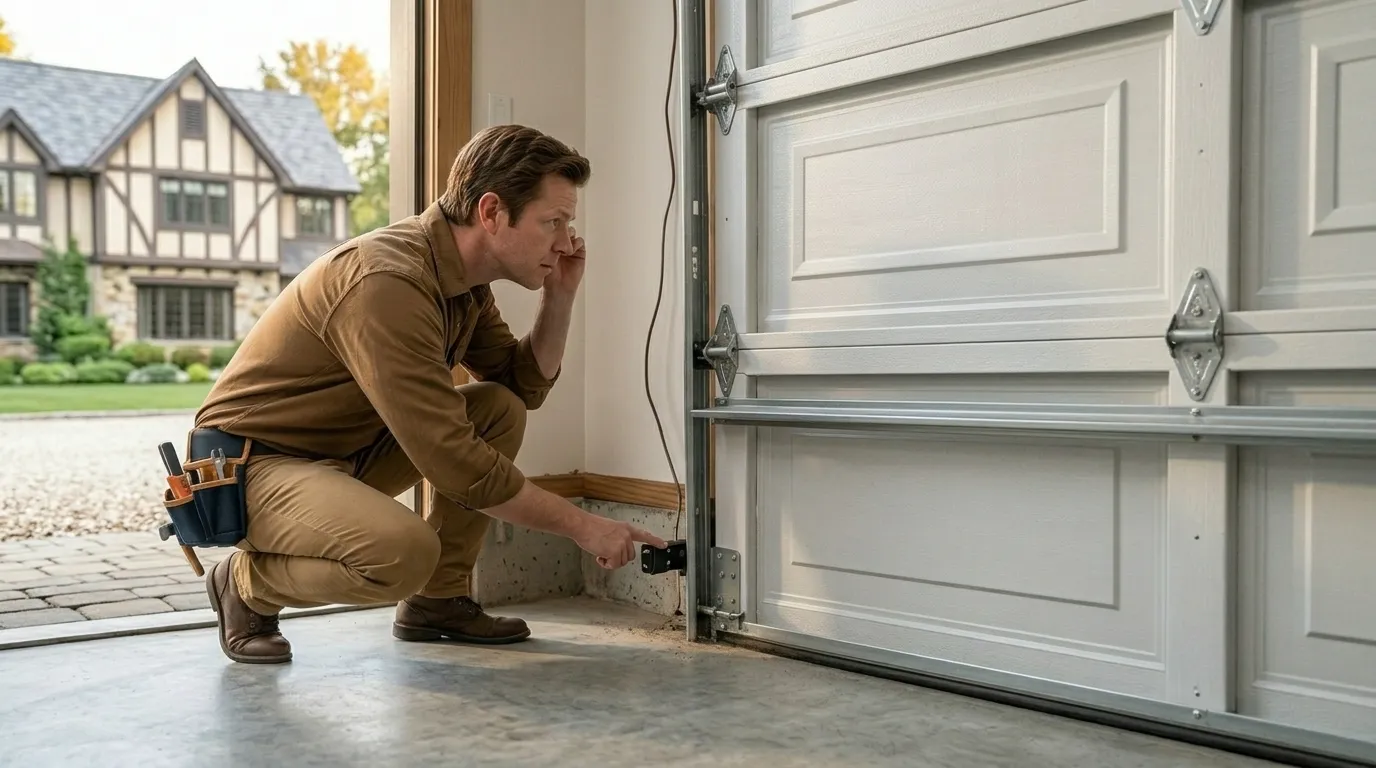
What we find
What Causes It Around Here
Housing across this service area was built mostly between 1938 and 2007, with a median year around 1981, and a lot of it - across the thirty-some communities we cover, from El Cerrito three miles out to Eastvale at seven - is 1980s and 90s stock. That's the sweet spot for original torsion hardware that's now forty-plus years old, sized for springs and drums that manufacturers don't cut to those dimensions anymore. When a spring on one of these snaps, matching it exactly usually means a full respool, not a drop-in part.
Corona sits in a moderate heat band rather than an extreme one, so the failures we see aren't storm damage or frozen tracks - they're metal fatigue from decades of daily cycling, plus steel panels that expand and contract enough each summer to loosen seams and warp bottom sections over time. It's slower and quieter than what colder-climate crews deal with, but it adds up the same way.
With roughly 141,485 owner-occupied houses in this area, a good share of them are hitting the age where the original opener motor - not the spring, not the track - is what finally quits.
How we work
How We Fix It
For a broken spring, we match the wire size and wind to the door's actual weight rather than guessing off a chart, then balance the door so it holds still at waist height with the opener disconnected. That balance step gets skipped by a lot of quick jobs and it's the reason doors come back broken again in a year.
Off-track doors get the bent sections replaced, not hammered straight - a track that's been bent once and pounded back rarely holds true. Rollers get swapped for sealed-bearing ones where the mounting allows it, since they outlast the stamped-steel kind by years, not months.
For openers, we diagnose before we quote: sometimes it's a $40 gear kit, sometimes the motor's done and replacement makes more sense than chasing it part by part. We won't sell you a new opener because it's the bigger ticket - if a repair gets you another five years, we say so.
We carry the common spring sizes and standard hardware on the truck. Less common opener boards or discontinued panel styles sometimes take a day or two to source, and we'll tell you that on the phone before we schedule.
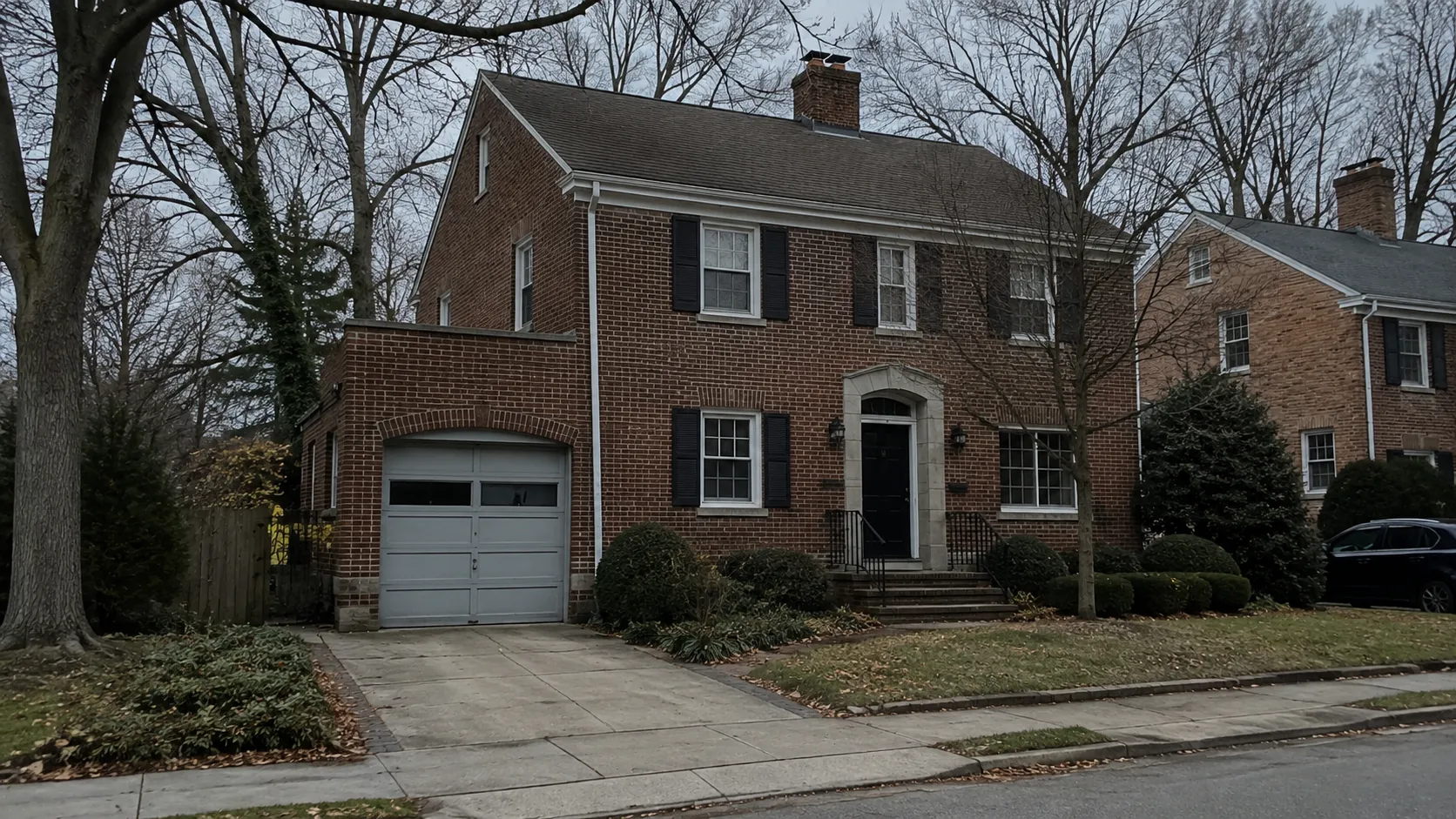
Questions
Common questions
Why did my garage door spring break with no warning?
Torsion springs are rated for a set number of open-close cycles, usually somewhere around 10,000. In a home from the 1980s or 90s that's used the garage daily for decades, that number gets used up quietly until one cycle is the last one. There's rarely a warning sound before the day it actually snaps.
Is it cheaper to fix my old opener or replace it?
Depends what's failed. A worn gear kit or a drifting limit switch is a cheap fix. A burned-out motor on an opener that's original to a 1980s or 90s install usually isn't worth chasing part by part - at that point replacement is the better use of your money, and we'll say so instead of billing you for a repair that won't hold.
Do you work outside Corona itself?
Yes, we cover the surrounding area including El Cerrito, Norco, El Sobrante, and Eastvale, along with the other nearby communities in this service area.
Ready when you are
Need a garage door sorted in Corona?
Corona Garage Door Pros repairs and installs garage doors, springs and openers in Corona, CA and the surrounding area.