
Placentia, Corona CA
Garage Door Repair for Placentia Homes, Serviced from Corona
Corona Garage Door Pros serves Placentia homes built mostly in the 1970s, where original steel doors and worn extension springs are the usual call. We travel from Corona, 17 miles out.
Local detail
When We Can Get There
We run out of Corona, about 17 miles from Placentia, so we're not a truck parked around the corner. We don't pretend otherwise. What we can tell you is that Placentia sits inside our regular coverage area, and jobs here get scheduled the same way as jobs closer to the shop. If you need a same-day look at a spring that let go or a door stuck halfway up, call and ask what the drive time looks like that day rather than assuming we're five minutes away. Being honest about the distance up front beats a truck showing up late to a door that's blocking a car in the driveway.
The area sits among a cluster of Corona-adjacent communities we cover on a regular loop, so a tech heading toward Placentia is usually also working nearby stops, which helps keep the drive practical for both of us. We're not going to promise an hour window we can't back up. We will tell you straight when we can get a truck there.
The area
What the Housing Means for Your Door
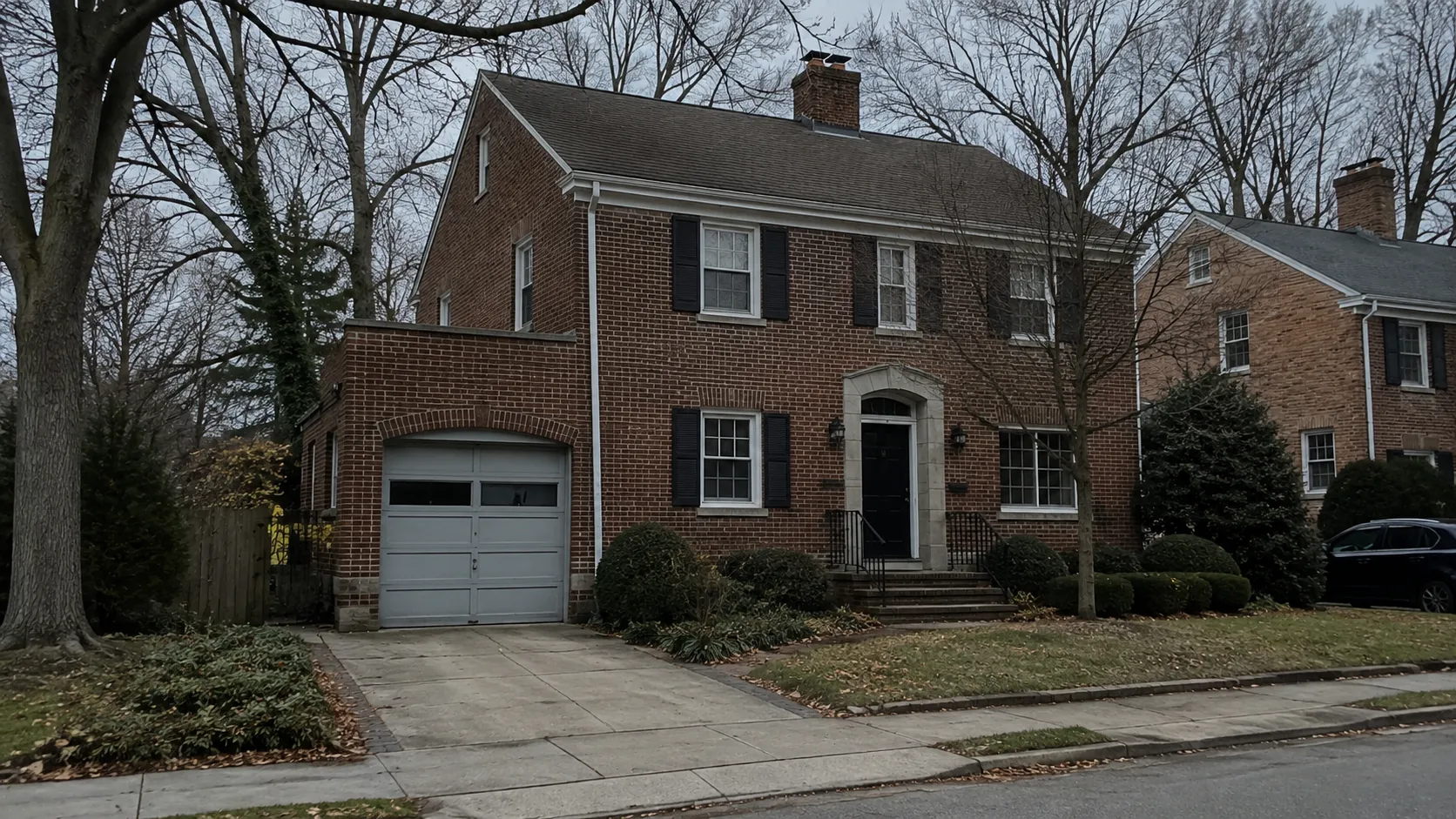
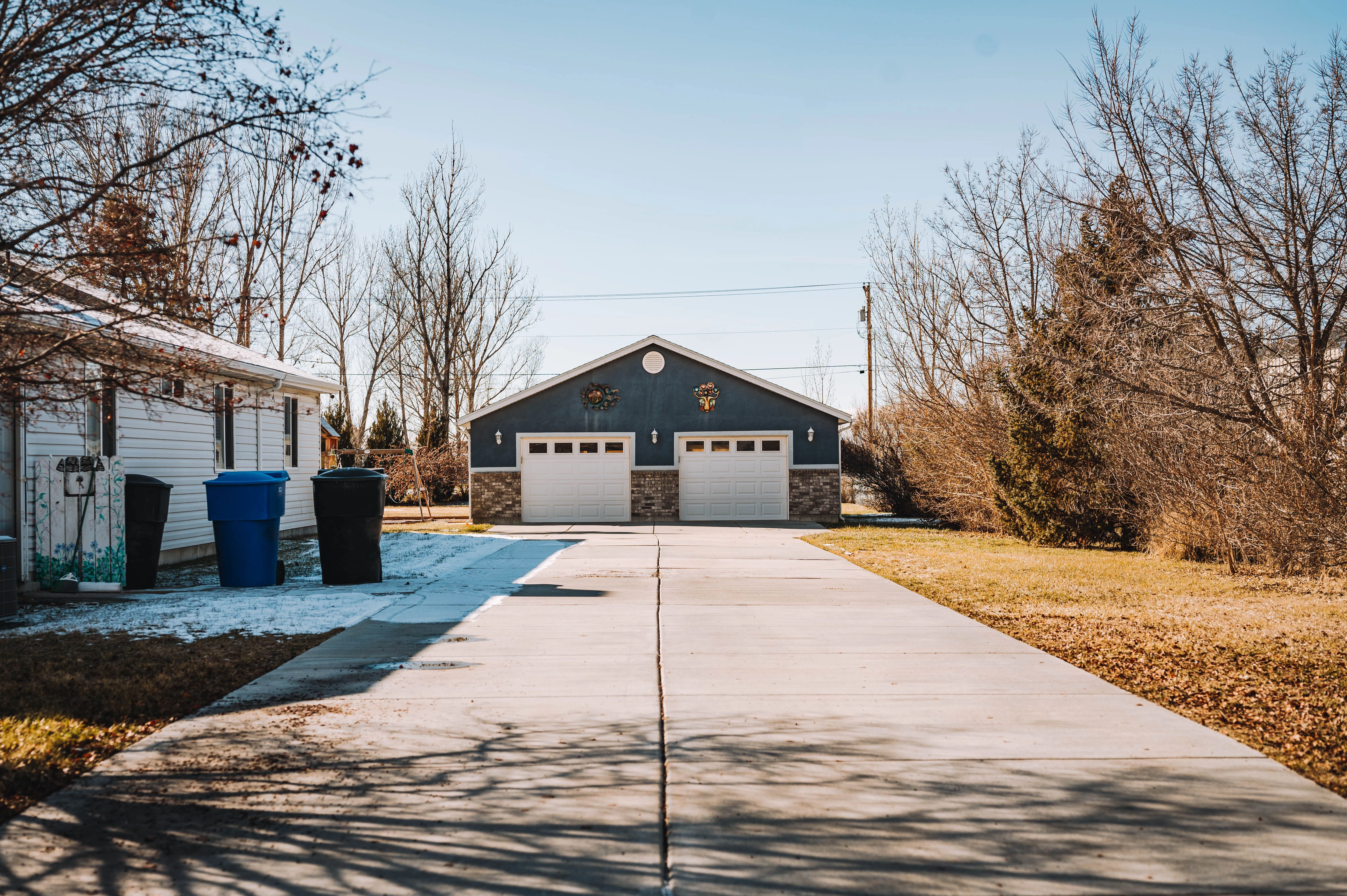
Placentia's housing stock centers on 1976, noticeably older than the 1981 median across our wider coverage area. That ten-plus year gap in build era matters more than it sounds. A house built in the mid-1970s was very likely fitted with a steel door on extension springs and a chain-drive opener, if it even had an opener from new - a lot of these went in years after the house did, as an add-on. The tracks tend to be lighter gauge than what you'd see on anything built after the mid-80s, and the rollers are usually the original steel type rather than nylon.
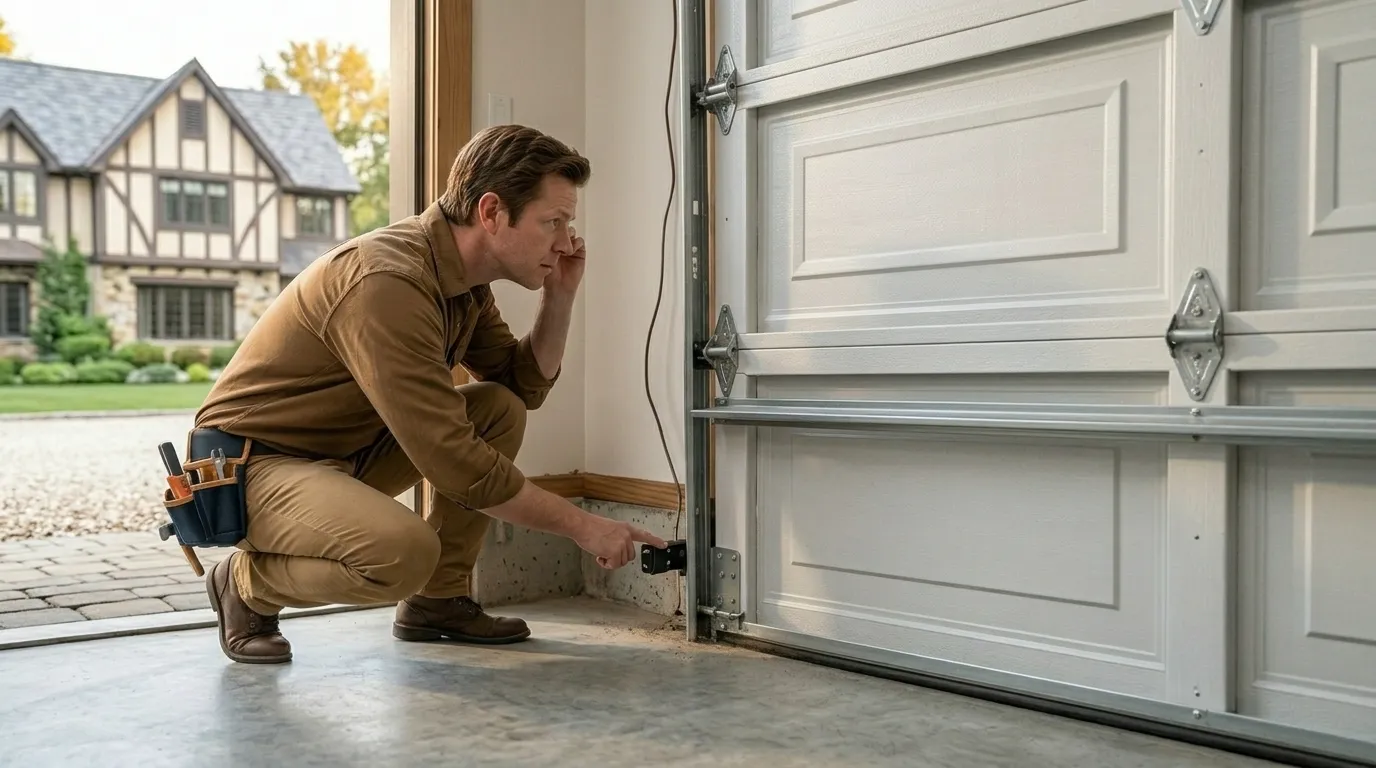
What that means for you: extension spring failure is the call we'd expect most from this vintage, not torsion spring wear. Extension springs stretch and fatigue differently than torsion springs, and on a door this old, the safety cables that are supposed to contain a snapped spring may be missing entirely, since they weren't standard on early installs. If your door dates to that era and doesn't have a cable running through each spring, that's worth fixing before anything else breaks.
What we find
The Houses Here
With 16,979 households in the area and a median income of $110,575, Placentia is a settled, mid-size community of mostly single-family homes from that mid-1970s building wave. That income level tells us most owners here are maintaining a house rather than flipping or renting it out short-term, which lines up with what we see: doors that get used daily for decades and only get attention when something actually fails.
We don't have a landmark-by-landmark map of the area to hand you, and we're not going to invent one. What we can say is that a 1976-era house here is old enough that its original door hardware is past any reasonable service life, even if the door itself still looks fine from the driveway. Steel doesn't wear out the way springs and rollers do - the moving parts fail first, long before the panel does.
How we work
What Neighbours Usually Call About
Given the age of the stock, the most common calls we'd expect from Placentia are extension spring snaps, worn or bent tracks from decades of steel rollers grinding through them, and openers that are simply original-to-the-house and finally quitting after 40-plus years of chain wear. A door that won't open is often a spring, but a door that opens crooked or grinds partway is usually a track that's worked loose or bent from age, not something you can shim back into place permanently.
One honest limitation: if your opener or door hardware is genuinely original to a 1970s build, some replacement parts for the exact track profile or old chain-drive units aren't stocked anymore, and a repair can mean a longer parts wait than a same-day fix. In those cases we'll usually tell you it's cheaper and faster to replace the unit than chase discontinued parts for a hardware set that old.
Service areas
Other areas we cover near Placentia
Questions
Common questions
Is Corona Garage Door Pros actually located in Placentia?
No. We're based in Corona, about 17 miles away, and Placentia is part of the area we cover from there. We're upfront about the drive rather than claiming a local depot we don't have.
Why do I keep needing new extension springs instead of a torsion spring upgrade?
Houses built around 1976, which is typical for this area, were commonly fitted with extension springs, not torsion springs. Swapping to a torsion system is possible but usually means new hardware on the header, not just a spring swap, so it's a bigger job than a like-for-like repair.
My opener is original to the house and finally died. Can you get parts?
Sometimes, but original chain-drive units from the 1970s aren't universally stocked anymore. If parts for your exact model are hard to source, we'll usually recommend replacing the opener rather than waiting on a discontinued part.
Do you have a crew based in Placentia for faster response?
We don't. We dispatch from Corona, roughly 17 miles out. We schedule Placentia jobs as part of our regular route through the area rather than promising a response time we can't guarantee.
Ready when you are
Need a garage door sorted in Corona?
Corona Garage Door Pros repairs and installs garage doors, springs and openers in Corona, CA and the surrounding area.