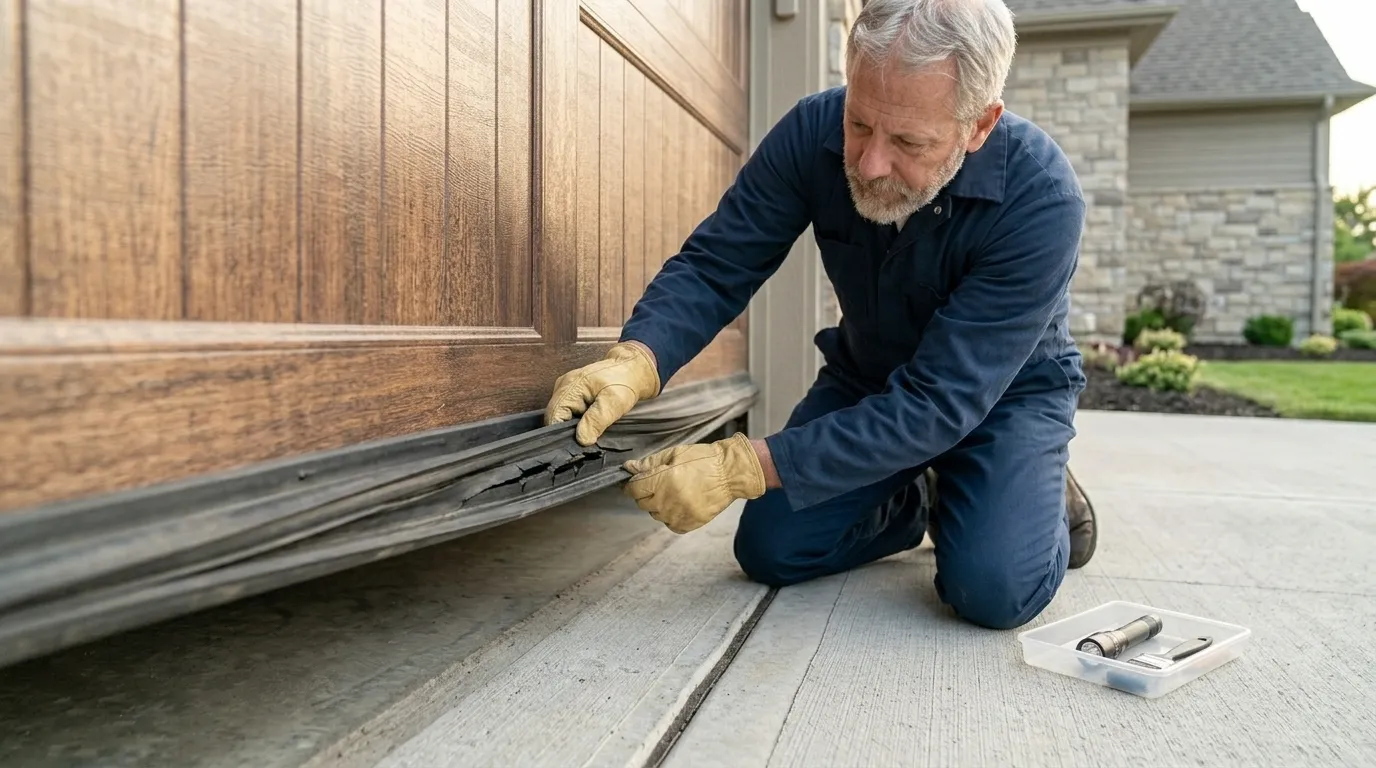
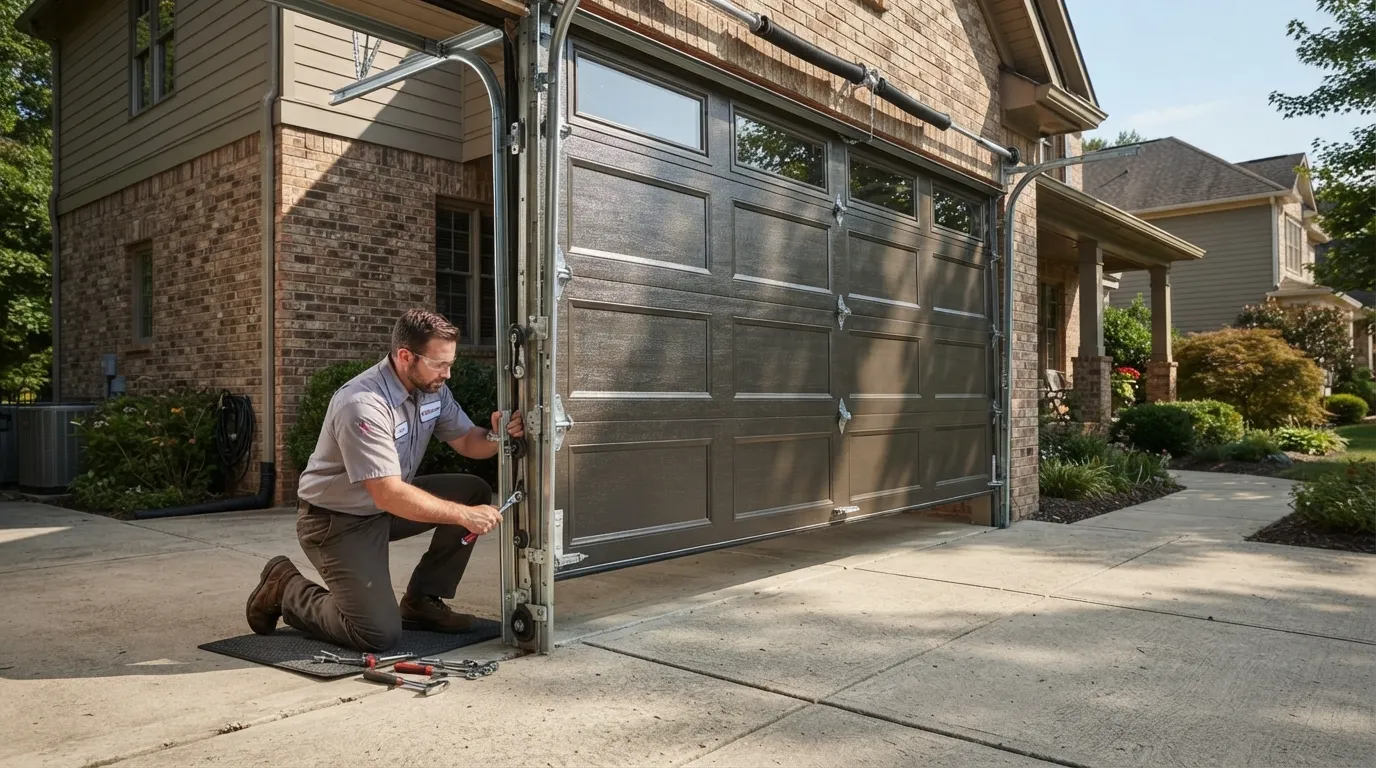
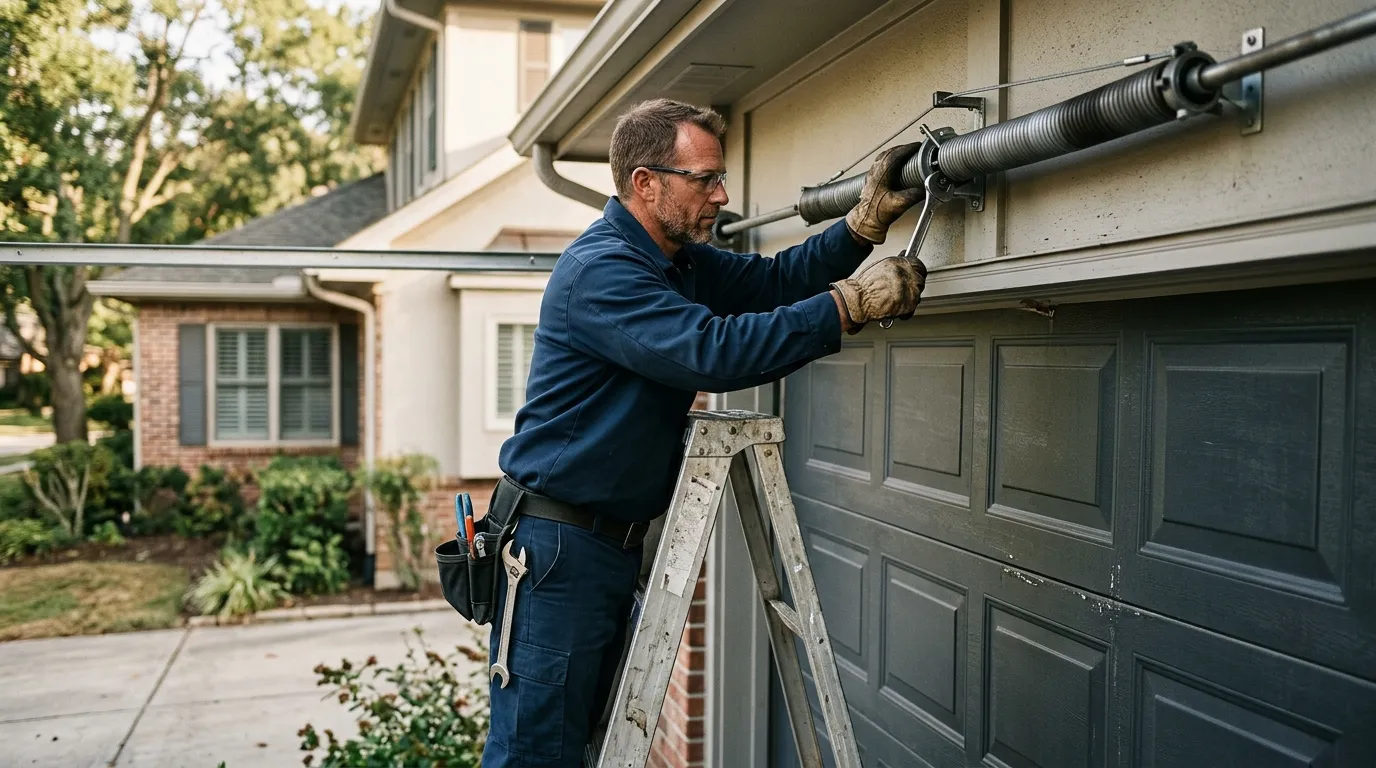
The region sits in a moderate heat climate band, and that matters more for commercial doors than people expect. A bay door that cycles open and shut a dozen times a day, sitting on a south-facing wall that bakes through the afternoon, puts real stress on springs and seals - the metal expands and contracts, lubricant breaks down faster, and rubber weatherstripping cracks sooner than it would in a mild climate. On a 1970s-era door with the original torsion spring still in place, that's decades of thermal cycling on hardware that was never built to last that long anyway.
Across the broader service area, most of the housing and commercial stock dates to the 1980s and 90s, so Norco's older building stock is actually on the early end for this area. Older buildings mean older track brackets, older jamb hardware, and in some cases doors that were never upgraded to current wind-load or impact standards when neighboring properties were. We see it as a pattern: buildings from this era get patched for years before an owner finally commits to a full replacement, and by then several components have failed in sequence rather than all at once.